Weld County Jail is at 2110 O Street, Greeley, CO 80631, and the main phone number is (970) 356-4015. If you need to confirm the address, ask about custody status, or start sorting out release steps, that phone number is the first one to call.
If you're reading this right after getting an arrest call, you probably don't need theory. You need the right address, the right number, and a clear path from “Where are they?” to “How do I get them out?” That's what matters in the first hour, and it's where most families lose time if they rely on scattered listings or old information.
Your First Steps After a Loved One Is Arrested
The first job is simple. Slow the situation down enough to verify where the person is and whether they've been fully booked. Use the Weld County Jail address exactly as listed: 2110 O Street, Greeley, CO 80631. Use (970) 356-4015 as your main contact number when you need operational information tied to the jail.
Weld County handles detention on a large scale, which is part of why families often feel lost. One construction portfolio for the Weld County North Jail Complex expansion states the facility measured 219,579 square feet and housed 779 beds at the start of that project, which tells you this is a major regional operation and not a tiny local holding site (Weld County North Jail Complex expansion details).
What to do in the first hour
- Confirm the jail location. Don't assume the person stayed at the arresting agency. People are often moved after arrest and booking.
- Call the main jail number. Ask whether the person is in custody, whether booking is complete, and whether bail information is available yet.
- Write everything down. Keep a note with the full name, date of birth, charges if known, booking details if given, and any bond information.
- Avoid multiple callers. One family point person prevents crossed wires and repeated mistakes.
Practical rule: The family that gets organized first usually gets movement first.
A lot of families also need to think beyond the first release and into what happens afterward. If substance use is part of the bigger picture, this guide on how families can strengthen recovery journey gives useful next-step context once the immediate crisis settles.
If you want a plain-language arrest checklist before you start making calls, this page on what to do when arrested is a practical reference.
Weld County Jail Quick Reference Information
The Weld County Jail address typically implies a need for more than a street location. They need one place to check the basics fast, especially when they're trying to coordinate with relatives, an attorney, or a bondsman.
One independent jail directory lists the facility at 2110 O Street, Greeley, CO 80631, with the primary phone number (970) 356-4015, and describes it as a 713-bed facility serving adults awaiting court proceedings in northern Colorado, about 32 miles southeast of Fort Collins (Weld County Jail listing).
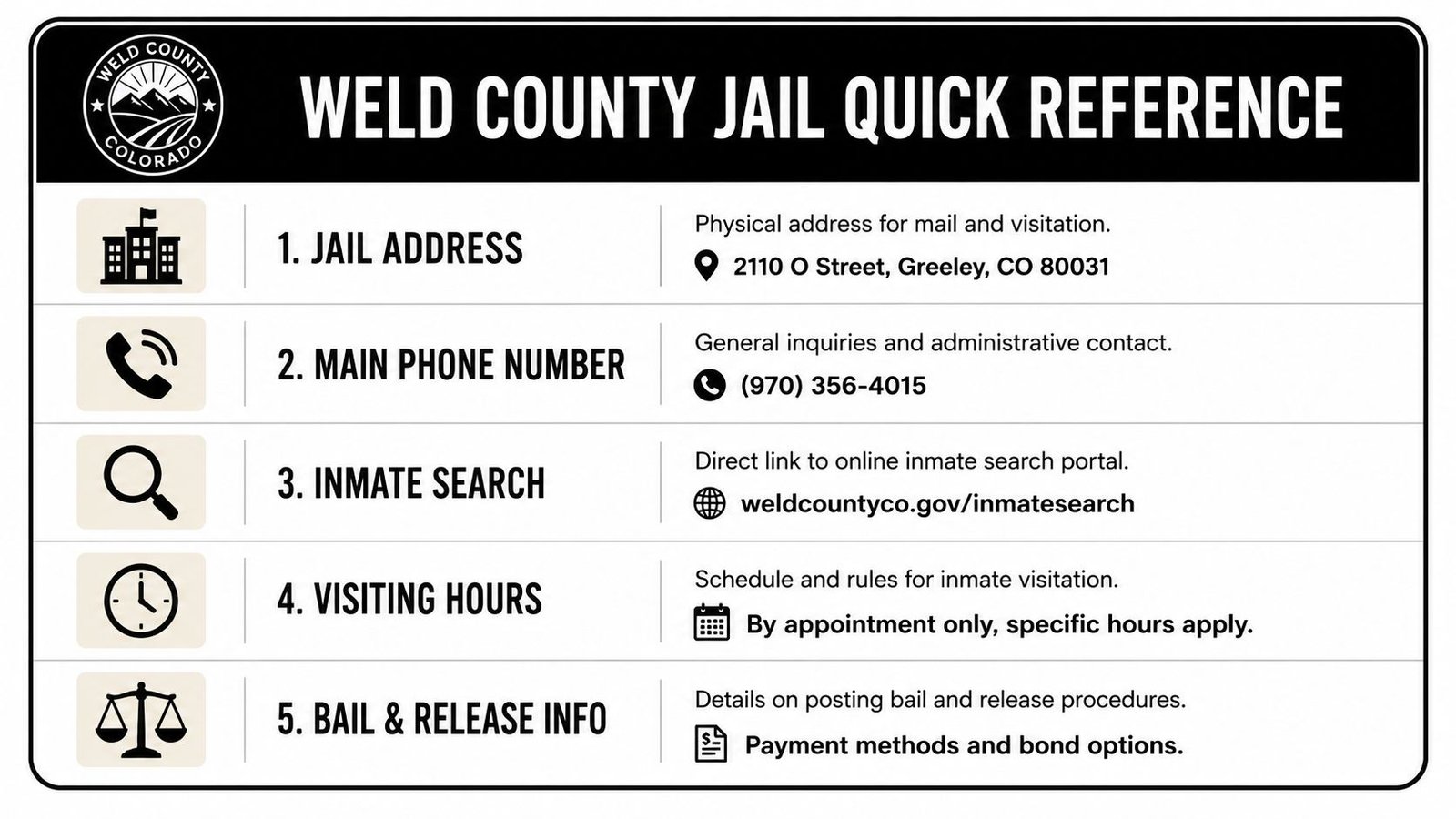
Weld County Jail contact and hours
| Information Type | Details |
|---|---|
| Jail Address | 2110 O Street, Greeley, CO 80631 |
| Main Phone Number | (970) 356-4015 |
| What the number is for | General jail questions, address verification, inmate-related operational questions |
| Facility description | Adult detention facility serving court-related custody needs in northern Colorado |
| Regional reference point | Greeley is about 32 miles southeast of Fort Collins |
| Use this address for | Confirming location before mail, visitation planning, and release coordination |
How to use this information correctly
Families often make one of three mistakes.
- They use a third-party listing without verifying it. Directories can be helpful, but they shouldn't be your final word.
- They confuse the jail with another county office. That creates delays with mail, visitation planning, and bond coordination.
- They focus on the address but skip the phone call. The address gets you there. The phone call tells you whether going there makes sense yet.
Call first if your question involves booking status, bail readiness, or whether a trip to the facility will accomplish anything.
What to keep on hand
A small notebook or phone note saves time. Keep these items together:
- Full legal name of the person in custody
- Date of birth if you have it
- Jail address for paperwork and navigation
- Main phone number for jail questions
- Bond amount or case details once available
That sounds basic, but it prevents the most common family problem, which is trying to solve a time-sensitive issue with partial information.
How to Find an Inmate in Weld County
Before you think about bail, visitation, or mail, confirm the person is in the Weld County system. A lot of panic comes from timing. Someone may have been arrested, but their information may not be visible yet if intake is still underway.
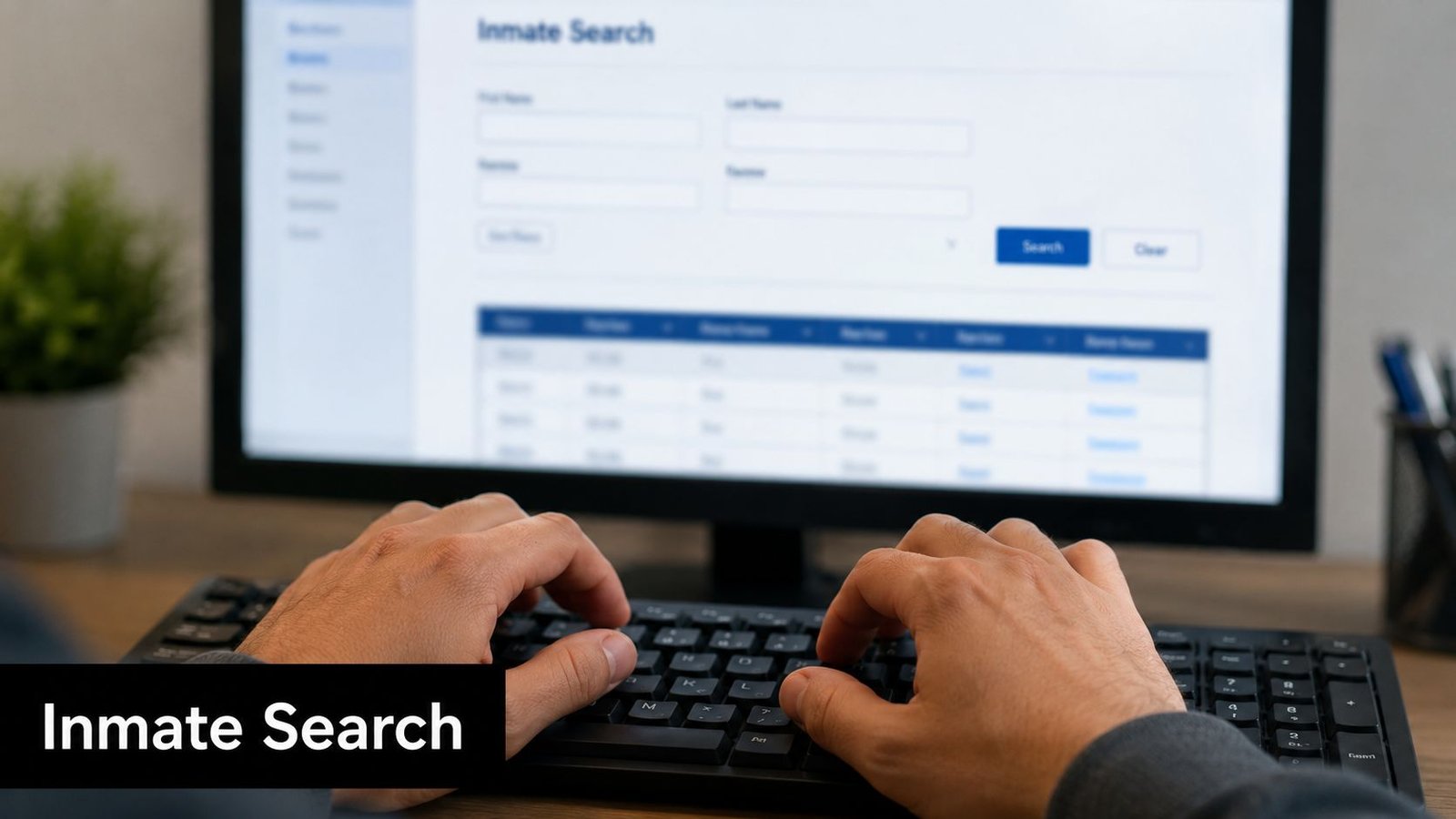
A workable search process
Use the official lookup process first. If you need a direct starting point, this Weld County jail inmate search page can help you get oriented before you start calling around.
Follow this order:
- Search by full name first. Use the correct spelling if you know it.
- Add date of birth when possible. That helps separate people with similar names.
- Check booking details carefully. Look for charges, custody status, and bond information if posted.
- Screenshot or write down the results. You'll want the booking information handy when you call a bondsman or attorney.
If the person doesn't show up
This is common enough that it shouldn't alarm you right away.
- Recent arrest means they may still be in processing.
- Name mismatch happens more than families expect, especially with hyphenated names, suffixes, or spelling errors.
- Different county custody can happen if the arrest occurred outside Weld County or there was a transfer.
If you can't find them online, call the jail's main number and ask whether they've been booked and whether information is available yet. Be ready with the person's legal name and date of birth.
If the online search is blank, don't assume release. It often means the system hasn't caught up yet.
What information matters most
Once you locate the inmate, focus on the pieces that move the process forward:
- Custody confirmation tells you they're in the right place.
- Booking number helps when speaking with jail staff or service providers.
- Charges matter because they often affect bond conditions.
- Bond amount or hold information tells you whether release can start now or not yet.
Families lose time when they chase every detail except the one that matters. If bond has not been set, there may be nothing to post yet. If bond has been set, that becomes the next priority.
Posting Bail at the Weld County Jail Explained
Your call usually comes after bond has been set, and the question is immediate: do you pay the full amount to the jail, or do you use a licensed bail bond agent? The right answer depends on how much cash you can access today, how fast release needs to happen, and whether tying up that money creates problems at home over the next few weeks or months.
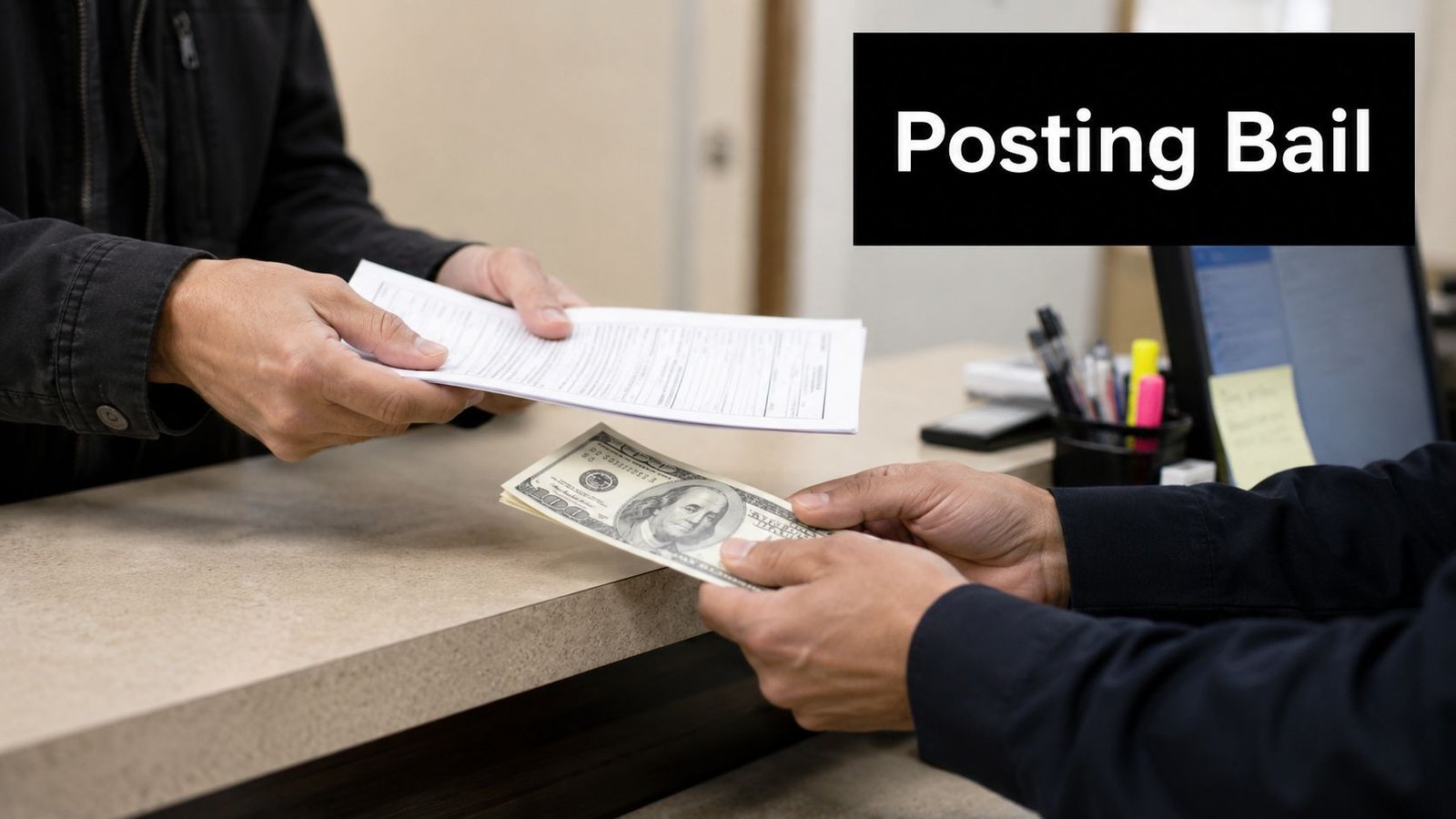
Cash bond versus surety bond
A cash bond usually requires the full bond amount up front through the jail or court process. Some families choose that route because it is direct. The trade-off is simple. That money is tied up while the case is pending, and that can put pressure on rent, utilities, car payments, or payroll if the person arrested helps support the household.
A surety bond means a licensed bond agent posts the bond on the defendant's behalf. The family pays a premium and completes the required paperwork. If the terms are unfamiliar, this guide to common bail bond terms and what they mean can clear up the language quickly.
Here is the practical difference:
| Bond Option | What usually works well | What often causes problems |
|---|---|---|
| Cash bond | Direct option if the full amount is available without disrupting the household | Savings get drained, transfers take time, or the family needs that money back sooner than the court process allows |
| Surety bond | Lower out-of-pocket cost at the start and help from a licensed agent handling the bond process | Delays happen when families wait too long to call or do not have a cosigner ready |
Why many families use a bail bond agent
In my experience, the decision is rarely about theory. It is about cash flow and timing.
A family may have enough money on paper, but using all of it for a cash bond can create a second problem at home before the first one is solved. For that reason, many families use a service like Express Bail Bonds, which handles Colorado surety bonds and can coordinate paperwork and payment electronically in many cases. If your family is elsewhere in the metro area, their Centennial bail bonds service shows how the same process works across multiple counties.
Speed matters, but so does choosing the option you can sustain.
For readers comparing how bail bond services work in different states, this article on understanding California bail bonds gives a useful outside example, even though Weld County follows Colorado procedures.
What to have ready before you call
Release usually moves faster when one person gathers the details and stays available for follow-up. Have these ready before you speak with the jail or a bond agent:
- Defendant's full legal name
- Date of birth
- Jail location
- Bond amount, if it has already been set
- A reliable cosigner, if one may be needed
- A phone number that will be answered if staff or the bond office calls back
A short visual walkthrough can help clarify the process:
What slows release down
A few mistakes come up over and over:
- Waiting for more information even though bond is already available
- Having multiple relatives call separately, which creates confusion
- Quoting the wrong bond amount without confirming it first
- Expecting immediate walkout as soon as payment is made
Paying or securing the bond starts the release process. Jail staff still have to complete verification, paperwork, and discharge steps before the person is released.
Navigating In Person and Video Visitation Rules
Once the release issue is underway, the next concern is usually contact. Families want to see the person, hear their voice, and make sure they're okay. That part matters, but jail visitation only goes smoothly when you treat it like an appointment with firm rules, not an informal family visit.
If you need a broader overview before dealing with Weld County's procedures, this page on visiting someone in jail is a good first read.
What usually matters most for approval
Start with the basics before you schedule anything:
- Use matching identification. Your registration information needs to match your valid government ID.
- Complete account setup carefully. If the jail's visitation provider requires approval steps, incomplete profiles can hold up scheduling.
- Schedule ahead. Last-minute assumptions are one of the main reasons visits don't happen.
- Follow the exact visitor instructions. Even small mistakes can get a visit canceled.
Dress and behavior problems that get visits cut short
Families often think dress rules are minor. They aren't. Staff can deny or end a visit over clothing or behavior issues, especially if the visit setting involves children, video participation, or multiple family members trying to join.
Watch for these common problems:
- Revealing clothing that would draw a dress-code objection
- Hats or bandanas when they aren't allowed
- Drug, alcohol, or gang-related clothing
- Trying to bring phones or prohibited items into areas where they aren't permitted
- Leaving minors unattended
- Adding unapproved people to an on-site visit
Show up dressed plainly, speak calmly, and assume every part of the visit is monitored.
In-person visits versus video visits
The better option depends on your situation.
In-person visits can feel more personal, but they require travel, check-in time, proper ID, and strict compliance at the facility. They're usually the better choice when you live nearby and can follow the schedule closely.
Video visits can be easier for out-of-town relatives or anyone juggling work and childcare. They still come with rules. Don't treat a video visit like a casual FaceTime call. Dress appropriately, stay attentive, and make sure the registered visitor remains present for the full visit.
A simple preparation checklist
Before the visit, make sure you have:
- Approved account setup
- Valid photo ID
- Correct inmate information
- A confirmed visit time
- A quiet plan for children, if they'll be involved
- A backup option, in case technical or approval issues interrupt a remote visit
When families prepare this way, visits are usually much less stressful.
Sending Mail and Managing Inmate Property
Mail is one of the easiest ways to stay connected, but it's also one of the easiest things to get wrong. Most rejected mail comes from simple mistakes, not serious violations. Wrong address format, missing inmate details, and unapproved contents are what cause the trouble.
How to approach inmate mail
Use the jail's current mail instructions exactly as given by the facility. Don't improvise. Don't assume that what worked in another county will work here. If the jail uses a scanning service or a separate mailing process for personal mail, follow that process line by line.
For any mail you send, keep these basics in mind:
- Use the inmate's full name and ID if required
- Double-check the mailing address before sending
- Include a return address
- Keep contents plain and compliant
A plain letter gets through more often than a creative one packed with extras.
What commonly gets mail rejected
These are the mistakes I tell families to avoid first:
- Adding prohibited inserts such as extra paper items or decorative materials
- Including content that violates facility rules
- Sending items to the physical jail address when a separate personal-mail process applies
- Forgetting identifying information needed to route the mail correctly
Keep inmate mail boring. Boring mail gets delivered.
Property drop-off is a separate issue
Families often lump property in with mail. That's a mistake. Property rules are usually tighter, and they often apply only to limited categories such as legal paperwork, approved medical items, or clothing for court.
Before you drive to the jail with a bag of belongings, call and ask these questions:
- Is property drop-off allowed for this item?
- Does the inmate need to request it first?
- Are there set hours or approval rules?
- Will staff accept it at the lobby, or not at all?
What works better than guessing
Use a short decision test.
| Situation | Better move |
|---|---|
| You want to send a personal letter | Verify the current mail format and send only approved contents |
| You want to send papers that may need signature or handling | Call first and confirm the correct delivery method |
| You want to drop off clothing or personal items | Ask whether the item is approved before making the trip |
Families waste whole afternoons by showing up with items the jail can't accept. One phone call usually prevents that.
Putting Money on an Inmate's Books
An inmate account helps cover daily needs inside the jail. In practical terms, that usually means commissary purchases and other approved account uses. If your loved one doesn't have support on the outside, even small deposits can make their stay more manageable.
The safest way to handle deposits
Use only the jail's approved deposit methods. Don't hand money to random third parties, and don't assume a friend of the inmate knows the right process. Mistakes here can delay access to funds or create avoidable confusion.
Most jails offer some combination of these methods:
- Lobby kiosk deposits for people who are local
- Online deposits through an approved service
- Phone deposits through a designated provider
- Mailing a money order if that option is permitted
How to choose the best option
The right method depends on urgency and distance.
If you're nearby, a kiosk can be straightforward because you control the transaction directly.
If you're out of town, online or phone deposits are usually easier, especially when family members in different places are trying to help.
If you prefer paper records, a money order may feel safer, but it usually requires more patience and closer attention to mailing instructions.
What to verify before sending money
Before making any deposit, confirm:
- The inmate's full legal name
- Any ID or booking information needed
- The approved payment channel
- Whether the money goes to commissary, messaging, or another account type
- Whether there are service fees or processing delays
A lot of families think “money on the books” is one single thing. It often isn't. Different systems can handle calling, messaging, and commissary separately. If you're not sure, ask the jail or approved provider which account type matches your goal.
Get Immediate Bail Help from Express Bail Bonds
A family dealing with the Weld County Jail address, custody questions, and bond timing all at once usually faces one problem first. They need clear next steps before a bad decision costs more time.
The publicly listed Weld County Jail address is 2110 O Street, Greeley, CO 80631, and (970) 356-4015 is the main number families use to confirm location details and ask basic custody-status questions (Weld County jail location reference).
When a bondsman helps most
A licensed bail bond agent helps once the case reaches the release stage and the family needs a clean plan. That usually means bond has been set, paying the full cash amount is not the preferred option, a cosigner is available, or paperwork needs to be handled remotely instead of through a rushed trip to the jail.
That kind of help matters because release problems are usually process problems. One missing detail, the wrong defendant information, or confusion about timing can slow everything down. Families often get faster traction when one person handles the bond steps from start to finish.
If you're dealing with another county as well, this page on the Jefferson County jail in Golden shows how release questions often carry over across Colorado facilities. If you're comparing service expectations in another market, this example of 24/7 bail bonds in Forsyth shows why around-the-clock response matters when decisions cannot wait.
Keep the next step simple
If release is the goal, narrow the job down to three actions. Confirm the inmate's location. Confirm that bond has been set. Then contact one qualified bond professional who can explain the cost, the cosigner requirements, and the paperwork before you commit.
That is usually the point where families start to feel some control again. The arrest is still serious, but the process gets clearer.
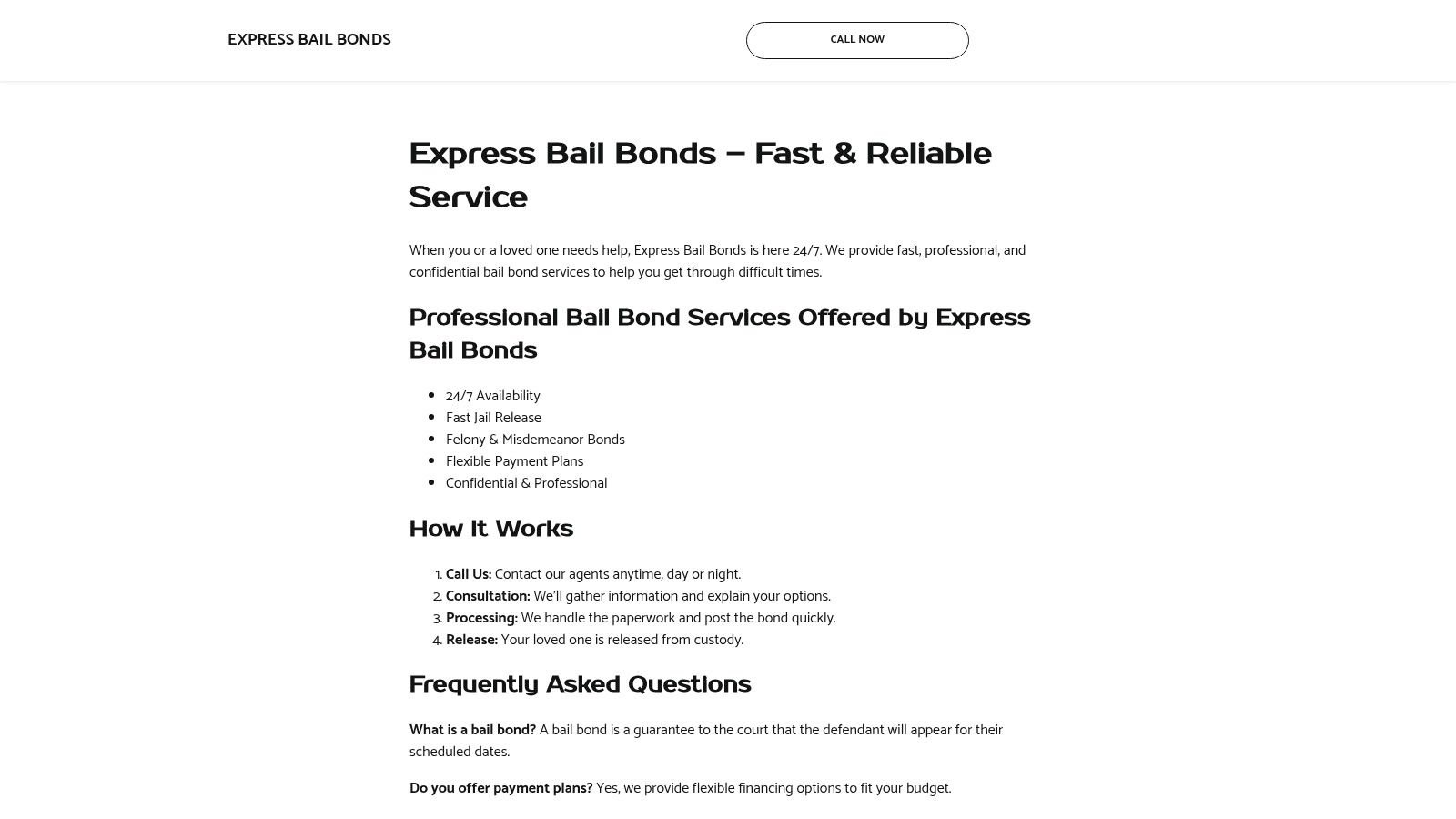
For immediate help, contact Express Bail Bonds for Weld County release assistance or call or text 720-984-2245. A bond agent can explain the next step clearly and help you start the release process without wasting time.