The phone usually comes at the worst time. You're driving, at work, putting kids to bed, or trying to make sense of a short voicemail that says someone you care about was arrested in Custer County. Your first questions are always the same. Where are they? Are they still in custody? Can they get out today?
That panic gets worse when you search online and get half-correct answers, old jail listings, or directories that still act like the local Custer County jail is operating the way it used to. For families dealing with Custer County jail inmates, outdated information is the fastest way to lose hours you don't have.
The practical fix is simple. Stop treating this like a normal county-jail search. Custer County changed how detention works, and your search has to match that reality. If you need to find someone, confirm custody, figure out visitation, or move toward bail, the right steps matter.
Navigating a Custer County Arrest
A Custer County arrest throws people into the same cycle every time. First comes the call. Then the uncertainty. Then the internet search spiral where nothing seems to match up.
The most useful thing you can do in the first hour is slow down just enough to gather basic identifiers before you start calling around. Get the person's full legal name, date of birth if you know it, where the arrest happened, and roughly when law enforcement picked them up. If you skip that step, every later call takes longer.
What families usually need first
In most cases, families are trying to answer three practical questions:
- Where are they being held so someone can verify custody
- What are the charges so you know what kind of hold you're dealing with
- Is bail an option or are you waiting on a court-driven decision
If this is your first time dealing with an arrest, it helps to read a plain-language breakdown of what happens after you get arrested so the booking and release process makes more sense.
Practical rule: Don't rely on one person's recollection of where the arrest happened. In rural counties, people are often booked through one agency and housed somewhere else.
There's also a legal side to this that families often overlook early. If the arrest creates questions about defense strategy, court procedure, or interstate issues, it can help to review outside legal guidance such as this overview from Texas criminal defense counsel. The details of a Colorado case are different, but the explanation of early criminal-case pressure points is useful when you're trying to think clearly under stress.
What works in the first few hours
What works is using official records, recent booking information, and direct custody tools. What doesn't work is trusting old aggregator pages, social media comments, or websites that haven't updated their county-jail information in a long time.
When families call me in this situation, I tell them the same thing. You do not need perfect knowledge right away. You need the next correct step.
Why You Can't Find Inmates in Custer County
If your search keeps hitting a dead end, there's a reason. The local jail setup changed in a major way.
A major historical shift happened in late December 2024, when county commissioners unanimously voted to close Custer County Jail because of financial challenges, and inmates were transferred to Fremont County Jail under an agreement between the two counties, according to KOAA's report on the jail closure.
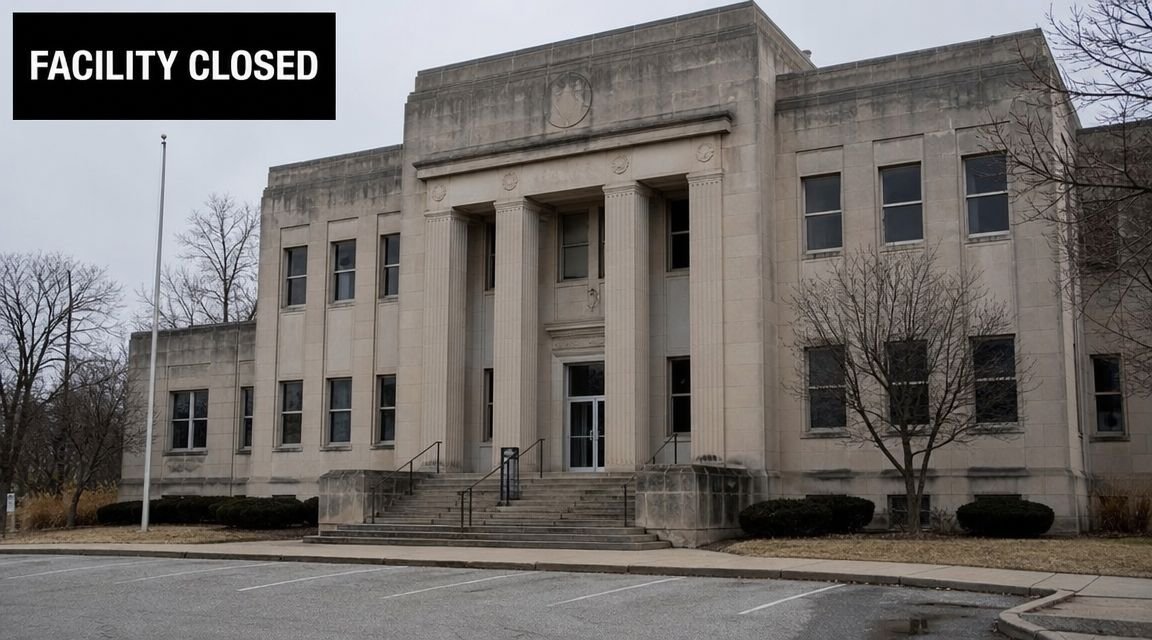
That one change explains why many older guides fail people. They tell you to contact the local jail as if inmates are still being housed there. They aren't.
What that means for your search
If someone is arrested on a Custer County matter, you need to think in two parts:
- Custer County still matters for the arrest and booking trail
- Fremont County matters for where the person is likely being housed
That's the trade-off. The arrest may be tied to Custer County, but the body is no longer sitting in a Custer County jail cell. Families who don't understand that split often waste time trying to confirm custody with the wrong office.
What outdated guides get wrong
Old pages usually make three mistakes:
- They assume local housing still exists
- They skip the transfer reality
- They don't explain that inmate tracking now depends on outside detention arrangements
If you can't find a person in what looks like the old county-jail channel, don't assume they were released. In this county, the more common issue is that you're checking the wrong custody path.
Regarding Custer County jail inmates in 2026, the key fact is this. You are not dealing with a standard local-jail workflow anymore.
How to Locate an Inmate Held for Custer County
A family usually calls at this stage after spending an hour on the wrong county website and getting nowhere. In 2026, the fastest method is to confirm the arrest through Custer County's official booking trail, then verify where the person is being housed.
Start with the Custer County Sheriff inmate search. That page is organized by booking date and typically shows the details families need first: name, booking time, charges, and current custody information. If internet access is limited or you want custody updates by phone, use VINE at 877-654-8463.
A search process that saves time
Use the person's full legal name first. If the arrest just happened, check recent bookings manually instead of trusting a name search alone. Fresh arrests do not always show up the way relatives expect, especially when a middle name, suffix, or spelling variation is involved.
Once you find the booking, confirm whether the person is still in the booking stream or has already been moved for housing. That is the part older guides usually miss. A Custer County case can still appear in the Custer County record while the inmate is physically housed in Fremont County.
Then use VINE if you want release or transfer updates without making repeated calls.
If you need a broader state process, this Colorado guide to jail inmate search tools gives a useful overview of official lookup options.
Key contact points
| Resource | Contact / Link | Why you would use it |
|---|---|---|
| Custer County booking search | Custer County Sheriff inmate search | Confirm the arrest record, booking time, charges, and custody trail |
| VINE phone line | 877-654-8463 | Check custody status by phone and monitor updates |
| Fremont County detention follow-up | Contact Fremont County directly after confirming the Custer County record | Verify current housing, visitation rules, and facility procedures |
What helps
- Use the exact legal spelling if you have it.
- Check again later if the arrest was recent. Booking and housing updates do not always post at the same time.
- Keep the booking date handy before calling any jail. It saves time and reduces confusion.
- Treat third-party jail directories carefully unless they point back to an official county source.
Families also use consumer databases when they are missing a middle name, date of birth, or old address. Those services do not confirm custody, but they can help sort out identity details before you call a detention center. If that is the problem, this list of top people search sites can help with background verification only.
One practical rule matters more than anything else. Confirm the official booking record first. After that, it gets much easier to sort out housing location, contact rules, and bail.
Decoding the Inmate Roster Information
Once you find a record, the next problem is understanding what you're looking at. Families often see a booking entry and assume it answers every question. It doesn't.
A published Custer County jail report showed that as of April 15, 2024, the jail held 11 inmates total, 10 males and 1 female, and that the roster included both pretrial detainees and sentenced inmates, with bookings and sentence statuses recorded on specific dates, according to the Custer County jail report. That distinction matters because pretrial and sentenced status can lead to very different next steps.
Terms that matter most
Here's how to read the common pieces of roster information:
- Booking date and time tell you when the jail formally processed the person. That's different from the moment of roadside arrest.
- Charge description gives you the offense label, but not the whole case story.
- Pretrial detainee usually means the person is being held pending court action or release conditions.
- Sentenced inmate means the court has already imposed a sentence on that matter.
A booking record may also show sentence-related dates or status notes. Those entries help you avoid a common mistake, which is assuming every inmate listed is immediately bondable.
Why status changes your next move
If the person is pretrial, you may be looking at bond, advisement, or a hold that still needs to be clarified. If the person is sentenced, the question often shifts away from bail and toward release date, transfer, or jail rules.
The April 2024 report included examples of both types of entries, including a person booked on a named charge and another person sentenced for a probation violation. That's exactly why families should read the whole line, not just the name.
If booking language still feels confusing, this plain-English guide on how long booking takes in jail helps connect the record you see online to what's happening inside the facility.
Rules for Visitation Mail and Phone Calls
Contact matters. Families usually want to hear the person's voice, confirm they're okay, and figure out whether an in-person visit is realistic.
The challenge is that communication rules are strict, and they affect release planning more than is often realized.
The sheriff's visitation page states that onsite visits are limited to a narrow weekday window, require 24-hour advance scheduling, last 15 minutes, and that remote visits are available daily from 6:00 a.m. to 10:00 p.m. at $0.50 per minute, according to the Custer County Sheriff visitation page.
The practical impact on families
Those rules create a real trade-off.
If you live nearby and can wait for a scheduled weekday visit, onsite may work. If you're out of town, juggling work, or trying to coordinate quickly after an arrest, remote visitation is often the faster option, even though it comes with a per-minute cost.
How to avoid common mistakes
Use this checklist before you try to make contact:
- Confirm current housing first so you don't follow the wrong jail's rules.
- Schedule ahead because same-day onsite expectations usually lead to frustration.
- Keep the visit purpose clear. If the actual goal is release planning, remote contact may be more efficient than waiting to visit in person.
Remote communication often helps families move faster because they can gather information, confirm needs, and coordinate next steps without spending half a day driving.
For a broader overview of how visitation policies usually work, this guide on visiting someone in jail is a helpful reference.
Mail and phone procedures can vary by housing location, so once you confirm where the person is held, follow that facility's current instructions exactly. That's one area where improvising usually causes delays.
The Fastest Path to Release Posting Bail
When someone is eligible for release, the fastest path usually isn't more searching. It's action.
One published jail and court report said that as of April 22, 2024, the Custer County Jail held 9 males and 0 females, and it also underscored an important point about small jails. Headcount can shift quickly, so you should treat custody data as a snapshot and move promptly, as noted in the Custer County jail and court report.
The decision most families face
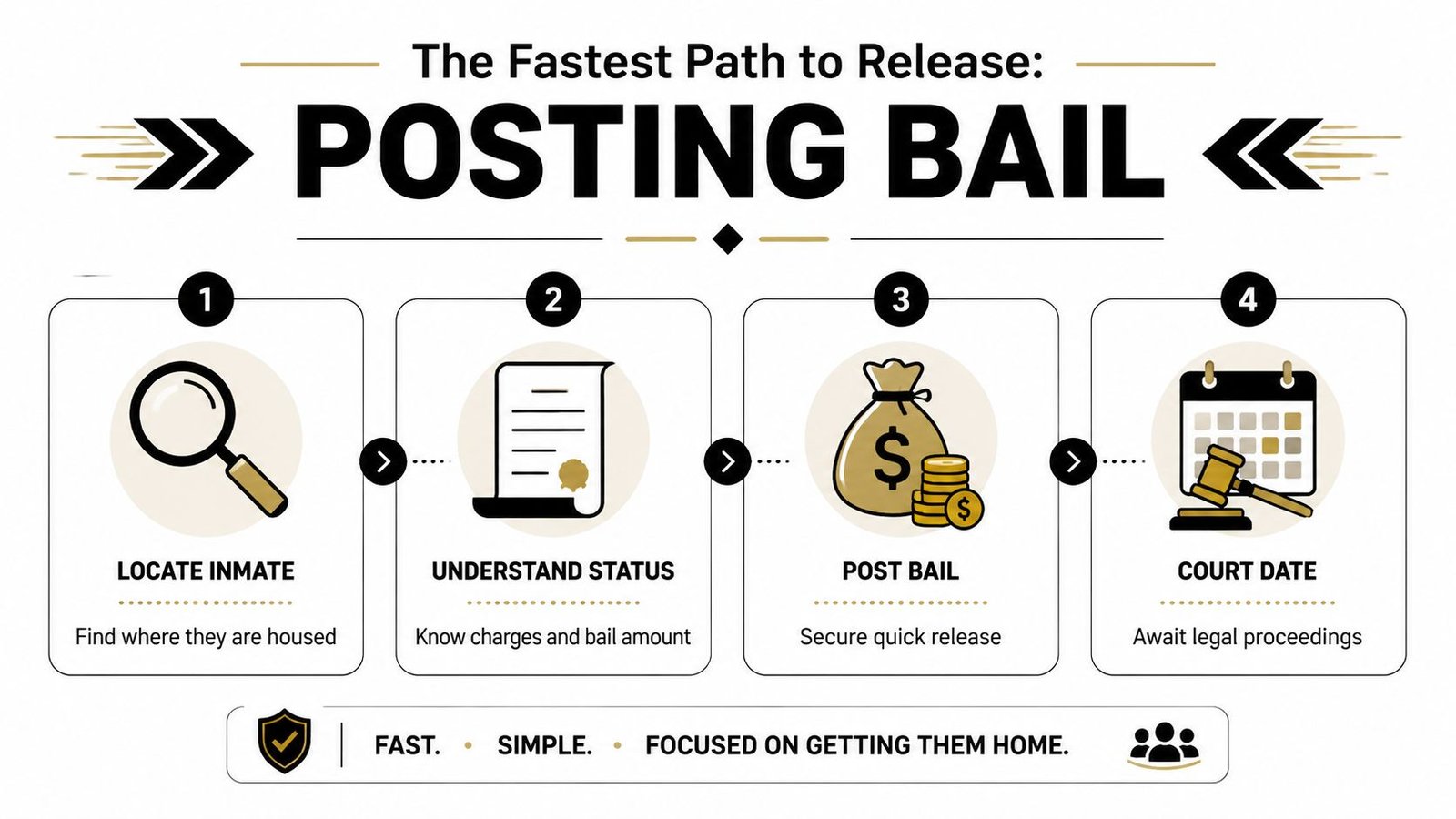
You usually have two practical options when bail is available:
- Post the full cash amount yourself if the court accepts that form and you're prepared to tie up that money
- Use a surety bond through a bail agent if you want help handling the release process and paperwork
For people dealing with a multi-county setup like a Custer County arrest housed elsewhere, a bail agent can reduce confusion because someone is tracking the release mechanics with the detention facility rather than leaving the family to sort it out alone.
If you need a plain breakdown of the process, this guide on how to post bail for someone covers the sequence clearly.
What works best in real cases
What works is confirming bond eligibility, checking for holds, and starting paperwork immediately once release is possible. What doesn't work is waiting until the end of the day to ask basic questions.
If the case later moves into a post-conviction stage, that's a different bond category entirely. For that narrower issue, Ticket Shield, PLLC has a helpful explanation of appeal bonds, which families sometimes confuse with standard pretrial release.
For Colorado families who need remote help, Express Bail Bonds handles surety bonds statewide and processes documents electronically, which can be useful when the arrest county and housing county aren't the same.
Frequently Asked Questions About Custer County Arrests
If the person does not appear on any roster
Start with the housing question first. In 2026, many families still search for Custer County jail inmates under the old setup and come up empty because the Custer County Jail is closed. A Custer County arrest may be housed through Fremont County, so an outdated jail list can send you in the wrong direction from the start.
A missing record usually points to one of a few practical issues. The name may be entered under a full legal name, a suffix may be missing, booking may still be in process, or the transfer record may not be posted yet.
Use the full legal name, check spelling carefully, and confirm date of birth if the facility will verify it. If the arrest was recent, wait a short period and check again through the correct county facility. In my experience, families lose the most time by searching the wrong jail after a Custer County arrest.
Should I post cash myself or use a bail bond
Choose based on money, timing, and how much of the release process you want to handle yourself.
Paying cash can work if the court accepts it and you are comfortable tying up the full amount until the case is resolved. A surety bond usually requires less money up front and gives you a bail agent to handle paperwork, facility contact, and the usual release questions that come up when the arresting county and housing county are different.
Both options have trade-offs. Cash may cost more up front but avoids a bond fee. A bond reduces the immediate financial hit, but it is a paid service.
How long does release take after bail is arranged
Release time depends on booking status, staffing, internal jail procedures, court conditions, and any additional holds from another agency.
The part families can control is simple. Confirm where the person is housed. Make sure bail is set. Complete paperwork quickly and answer phone calls from the jail or bail agent right away.
Delays usually come from missing information, late-day processing, or a hold that was not caught early.
If you are dealing with Custer County jail inmates and need help confirming custody or starting the next bail step, professional help can save time and prevent avoidable mistakes.
If you need fast help locating someone or starting the bail process in Colorado, contact Express Bail Bonds. They serve detention facilities statewide and also provide county-specific help for areas like Jefferson County in Golden and Centennial bail bonds.