That call usually comes when you're half asleep, your phone lights up, and someone says a son, daughter, spouse, brother, or friend has been arrested. In the next few minutes, you're expected to make fast decisions inside a system you probably haven't dealt with before. That's exactly when bail bond reviews become useful, but only if you know how to read them.
Individuals often make the same mistake. They look at the star rating, skim two comments, and call the first name they see. In a high-stress situation, that feels reasonable. It also leaves room for hidden fees, poor communication, and delays that reviews could have warned you about if you knew what to look for.
This is a practical guide for reading reviews like a forensic investigator, not a casual shopper. The goal isn't to find the "nicest" profile online. The goal is to find a licensed Colorado bail bond agency that communicates clearly, prices fairly, and moves fast when time matters.
The Most Important Research You Will Do All Year
At the moment of an arrest, everything feels urgent. You want the person out. You want clear answers. You want someone on the phone who sounds like they've done this a thousand times and won't make the night worse.
That's why reviews matter so much in this business. The bail bond industry isn't small or informal. The U.S. industry supports approximately 2 million defendants annually who can't afford to post full cash bail, and as of 2024 it generated $2.6 billion annually across over 20,000 businesses nationwide, according to DJ's Bail Bonds industry overview. When a market is that large, you'll find excellent operators and weak ones mixed together.
A review isn't just a public opinion. In this field, it's often your first clue about how an agency behaves when a family is scared, short on time, and trying to understand the process.
What reviews can tell you quickly
Good reviews often reveal things an agency's homepage won't. They can show whether the agent answered at midnight, whether paperwork was explained in plain English, and whether the final cost matched the first quote.
Bad reviews can be even more valuable. They may show patterns like unanswered calls, vague contracts, pressure tactics, or confusion about what the cosigner agreed to.
Practical rule: Don't read bail bond reviews to confirm a choice you've already made. Read them to eliminate agencies that could create new problems.
What reviews cannot do on their own
Reviews are a first filter, not the whole investigation. Families under stress often leave comments about speed and kindness, which matter, but they may not mention licensing, contract terms, or whether extra fees appeared later.
That's why the smartest approach is simple:
- Use reviews first to narrow the field.
- Verify offline second through Colorado-specific checks.
- Call last with direct questions that force clear answers.
If you treat reviews that way, they become a useful screening tool instead of a gamble.
Where to Find Reliable Bail Bond Reviews
At 11:40 p.m., a daughter is sitting in her car outside the jail, calling agencies between tears and trying to decide who she can trust with a legal and financial obligation she did not expect tonight. In that moment, reviews matter. The trick is knowing where to look, and how to read each source for what it reveals to you.
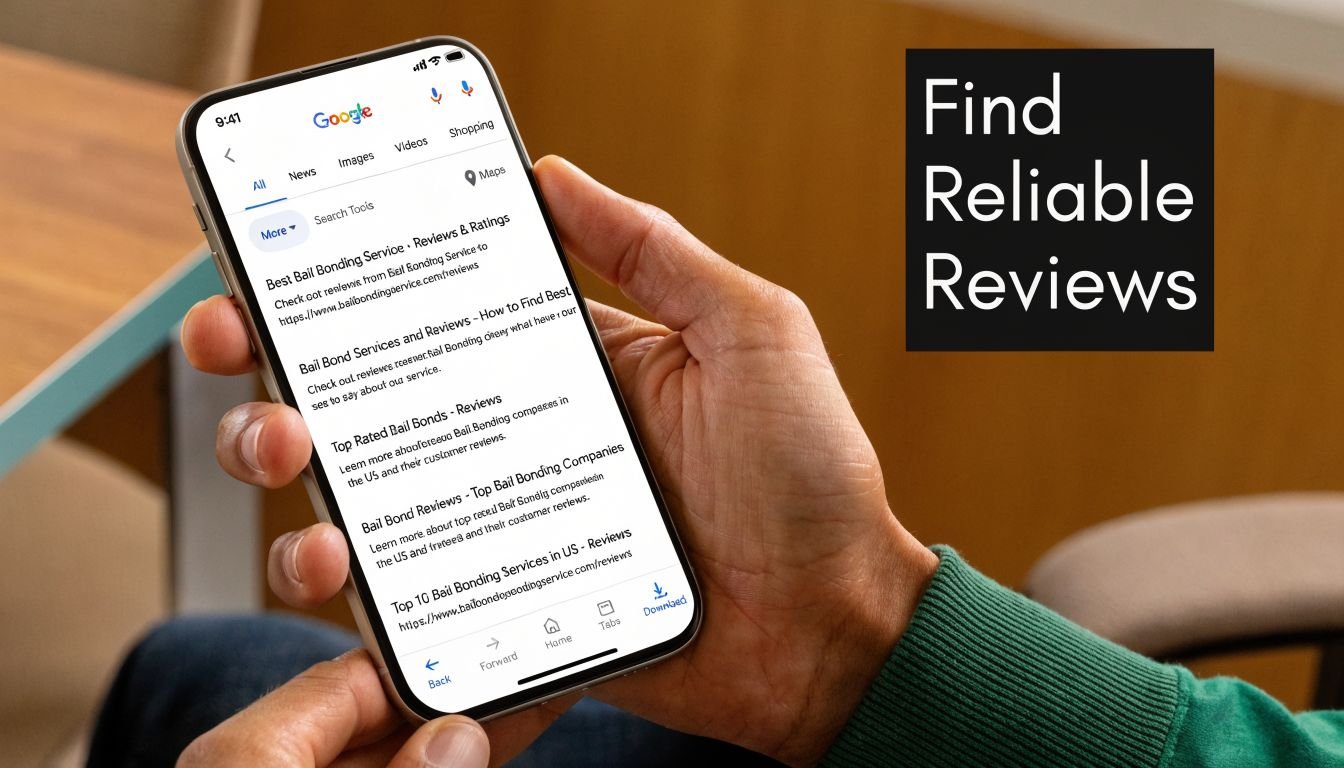
Start with Google, but read like an investigator
Google Reviews are usually the fastest way to build a short list because that is where families find agencies in search and Maps. I tell people to ignore the star rating for a minute and read 10 to 15 reviews in a row.
Look for specifics. Real reviews usually mention the jail, the hour of the call, how fast paperwork got handled, whether someone explained cosigner duties clearly, and whether the quoted price stayed the same at signing. Those details tell you more than a page full of "great service."
Review age matters too. An agency with a long history of recent, detailed feedback is easier to evaluate than one with old reviews and long gaps. If you want context on why some companies dominate local search, this online reputation management guide gives a useful overview. It helps explain visibility. It does not replace checking the substance of the reviews themselves.
For a baseline example, compare what a professional Colorado agency makes public on its Express Bail Bonds website, then measure that against what reviewers say happened in real cases.
Use Yelp for detail and BBB for complaint handling
Yelp tends to be more descriptive. That can help. People often write longer accounts about whether the agent was patient, whether the office rushed them, and whether they felt pressured to sign before they understood the agreement.
The Better Business Bureau serves a different purpose. I use it to see how a company acts after a complaint is filed. A business can have a dispute and still handle it responsibly. What matters is whether the response is timely, professional, and clear about the facts.
That is a real-world trade-off. Google often gives you volume. Yelp gives you story. BBB gives you conflict behavior.
Cross-check the pattern
One platform rarely tells the whole truth. A reliable agency usually looks broadly consistent across Google, Yelp, and BBB, even if the tone differs from site to site. If one platform is glowing and another shows repeated complaints about fees, missed calls, or contract confusion, slow down and verify before you hand over money or sign as a cosigner.
Use this quick comparison:
| Platform | Best use | What to watch |
|---|---|---|
| Recency, review volume, response speed mentions | Short reviews with no useful detail | |
| Yelp | Longer stories about communication and treatment | Reviews driven only by anger or praise |
| BBB | Complaint response and business conduct | Sparse profiles or unresolved issues |
The goal is not to find a perfect profile. The goal is to find a believable pattern. In Colorado bail work, that is how families spot the difference between a polished listing and a dependable agency.
Decoding Reviews Red Flags and Green Flags
It's common to read bail bond reviews like customers shopping for dinner. In this business, you need to read them like you're checking references for someone handling a legal and financial obligation.
The biggest blind spot is hidden cost language
One of the most common gaps in public reviews is cost transparency. The standard premium is often described, but many reviews never tell you whether there were extra charges, financing add-ons, recovery fees, or terms the family didn't understand until later. The American Progress fact sheet on bail industry profit practices notes that families can face costs beyond the standard 10 to 15 percent premium, which is exactly why glowing reviews about friendliness should never end your investigation.
A review that says "they were nice" is pleasant. A review that says "the contract matched the quote and there were no surprise charges" is useful.
Read for detail, not emotion
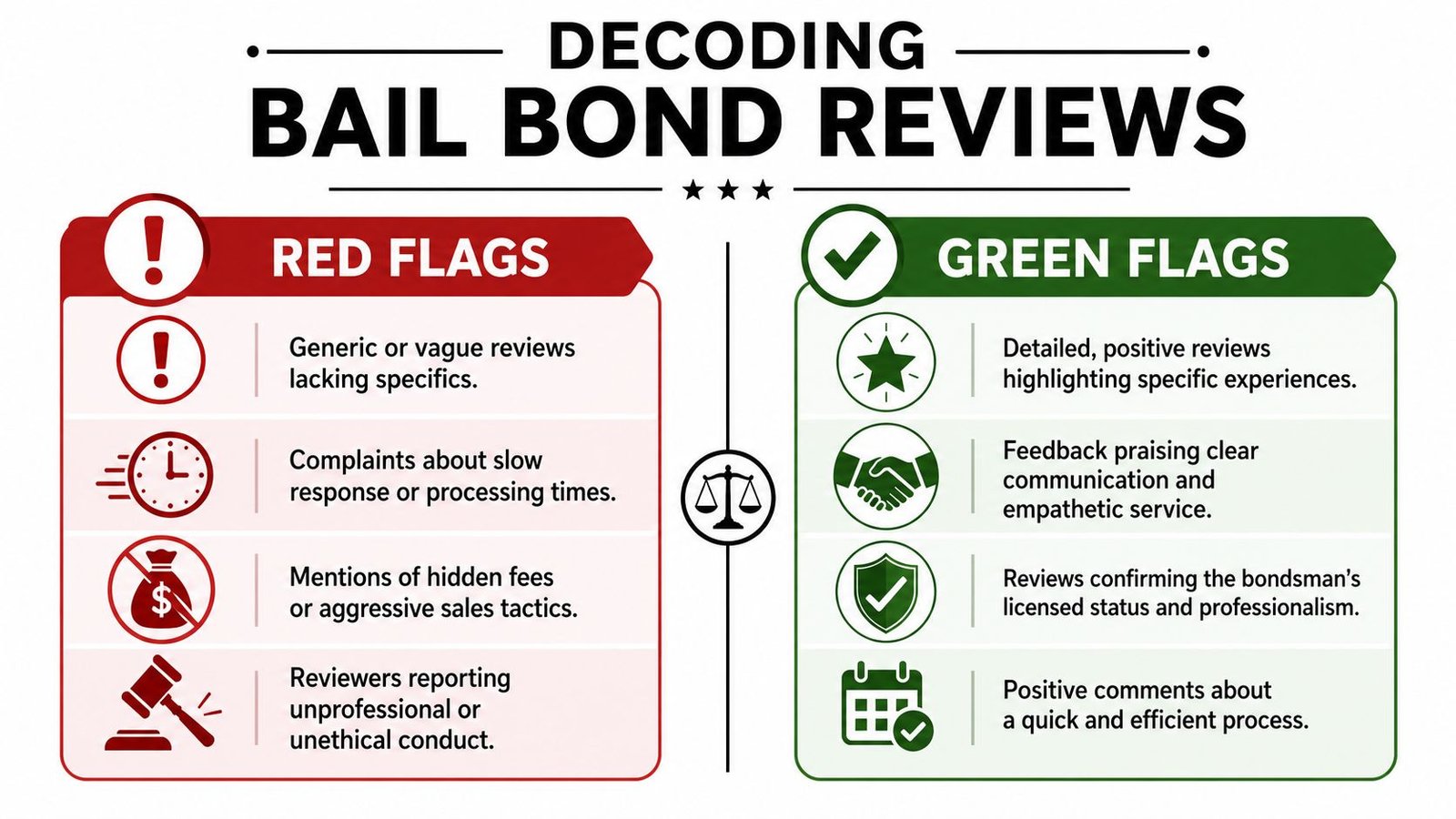
Authentic reviews usually contain friction. Real people mention what time they called, which jail was involved, whether the cosigner had to provide documents, or how payment was handled. Fake or low-value reviews tend to stay vague.
Here is a practical screening table you can use.
| Signal Type | Green Flag (Positive Signal) | Red Flag (Warning Sign) |
|---|---|---|
| Specificity | Names an agent, jail, timing, or paperwork step | Says only "great service" or "awesome" |
| Pricing | Mentions written quote, contract clarity, no surprise costs | Says price was confusing or changed later |
| Communication | Describes callbacks, updates, and clear instructions | Mentions pressure, vague answers, or silence |
| Process | Explains online forms, remote signing, or smooth release steps | Complains about delay with no explanation from agency |
| Professionalism | Notes respectful treatment during a stressful moment | Mentions rudeness, threats, or aggressive sales tone |
| Pattern | Balanced mix of strong and occasional critical reviews | Large clusters of similar praise posted close together |
Green flags that usually mean something
- Concrete narrative: "We called after midnight, sent documents from home, and knew what we owed before signing."
- Transparency references: Reviews that talk about contracts, obligations, or fee explanations.
- Professional names and places: Mentions of a specific county jail or a named agent often signal a real interaction.
- Measured praise: Real clients usually sound relieved, not scripted.
Reviews that help you the most are rarely the loudest. They're the ones with details another family can verify.
Red flags that deserve a second look
If several reviews mention "easy" but none mention cost, that's a gap. If every review sounds polished and interchangeable, that's a gap too.
Pay attention to timing and repetition. A suspicious profile often has many short reviews that use the same wording, praise the same point, and offer no context. If you want a broader framework for spotting patterns businesses try to shape online, these strategies for brand reputation are worth reading.
For families comparing payment options, it's also smart to understand how premium structures differ from alternatives like 1 percent bail bonds. The wording used in reviews can make more sense once you know what type of arrangement is being discussed.
Going Beyond Reviews Your Colorado Verification Checklist
At this point, families usually have a shortlist and a clock running. Reviews helped get you there. Now do the work that tells you whether an agency is safe to hire in Colorado.
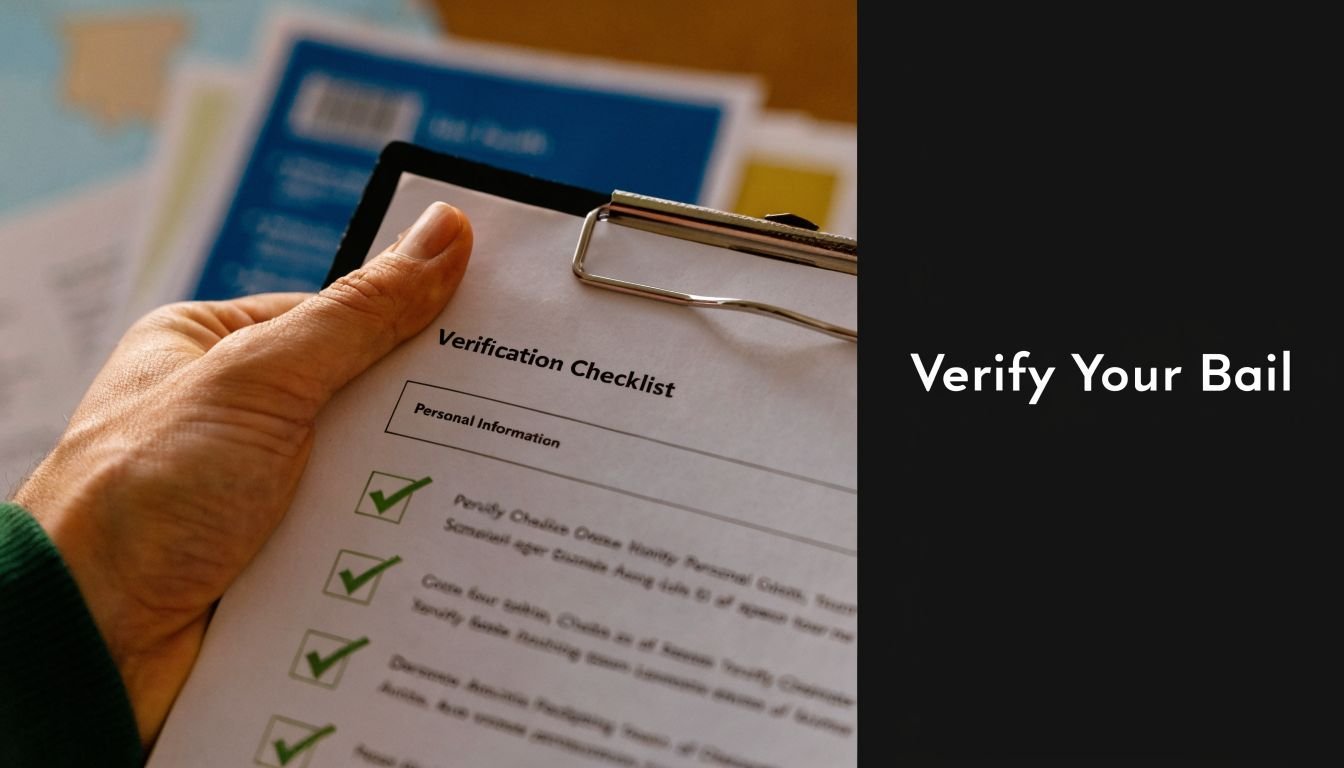
Start with the two names that matter most. The legal business name and the individual agent's full name. Ask for both before you talk money.
Then verify the license through Colorado's insurance licensing records. If the person answering the phone gets vague, changes the company name mid-conversation, or tells you not to worry about it, end the call. A real agency should give that information cleanly because it is part of doing business the right way.
Next, test local knowledge the way a forensic reviewer would. Do not ask, "Do you serve this area?" Every company will say yes. Ask which jail the defendant is in, what the usual release process looks like there, and what delays families should realistically expect. An experienced Colorado bondsman should know the difference between court-related delay, jail processing delay, and delay caused by missing paperwork.
This step matters because county practices are not identical. A bondsman who regularly works that jail can usually explain the process in plain English without overpromising release time. If the answers sound generic, rehearsed, or too certain, treat that as a warning sign.
Then get the contract before you commit. Not after you drive over. Not after you hand over payment. Before.
Read the written terms line by line. A proper agreement should clearly show the premium, any collateral requirement, the cosigner's duties, the defendant's reporting obligations, and what conduct can create added financial risk for the signer. Families who want a baseline can review a sample Colorado bail bond contract and explanation of common terms before signing anything.
Pay close attention to fees that are easy to bury in a rushed conversation. Ask whether anything besides the premium could apply, under what circumstances, and where that appears in writing. If the explanation changes between the phone call and the paperwork, you learned something important before it cost you money.
One more check is worth your time. Search rankings and polished review profiles can be shaped by marketing work, including controlling your business's search engine reputation. That does not make every well-reviewed agency suspect. It does mean reviews should be one piece of your decision, not the whole decision.
The families who avoid bad surprises usually do three things. They verify the license, test for real local knowledge, and read the contract before signing. That is how you move from "good reviews" to "good risk."
Critical Questions to Ask Any Bail Bondsman
After you have narrowed your options, the phone call becomes the essential test. A professional bondsman should not be bothered by direct questions. In fact, the better agencies usually answer them cleanly and fast.
Ask questions that force specifics
Start with price, but don't stop there. "What's your fee?" is too loose. You need the full picture.
Ask these instead:
Can you confirm the total premium in writing before I sign anything?
If they hesitate, that's a problem.Are there any other possible charges besides the premium?
Ask them to list every potential fee plainly.What documents do you need from the cosigner today?
This tells you whether they're organized.How does your process work if I'm out of state?
Important for remote family members.What are the defendant's obligations after release?
Check-ins, court dates, travel limits, and communication expectations should be explained clearly.What happens if the case is dismissed or resolved quickly?
This helps avoid confusion about what is and isn't refundable.
Ask the uncomfortable question early
A lot of bail bond reviews skip the question families care about once they finally call. Why would a bondsman say no?
The answer is simple. Bondsmen are private businesses, and they can legally refuse service based on risk factors such as flight risk, charge severity, or inadequate cosigner income, as explained in this overview of why a bondsman may deny an application.
That doesn't mean you should feel embarrassed asking. It means you should ask directly:
- What factors could prevent approval in this case?
- What does the cosigner need to qualify?
- Is collateral likely to be required?
- If you can't write this bond, can you tell me why clearly?
A professional answer will be calm and specific. A weak answer will be vague, defensive, or rushed.
To understand the business side of why these standards exist, it helps to read how bondsmen make money. That context often explains why some agencies are selective and why clear underwriting questions matter.
Notice how they talk to you
The tone of the call matters almost as much as the answers. Families remember whether the person on the phone explained the process or tried to corner them into a quick payment.
If a bondsman treats your questions like an inconvenience before taking your money, don't expect better treatment after signing.
This short video gives additional context on what to expect from the process:
How to Leave a Review That Genuinely Helps
Once your loved one is home and the immediate panic has settled, you can help the next family make a better decision. A strong review is more than a thank-you note. It's practical information.
Client testimonials don't just influence reputation. Agencies whose reviews frequently mention things like 24/7 electronic applications report 20 to 30 percent faster jail postings than the industry average, according to Advisory Excellence's bail bond review analysis. That's useful because detailed feedback reinforces the practices that help clients.
What to include in your review
The most helpful reviews answer questions future clients will have at 2 a.m.
Include details like:
- When you called: late night, early morning, weekend, holiday.
- Who helped you: the agent's name if you remember it.
- How paperwork worked: in person, by phone, or electronically.
- Whether pricing matched the quote: this is one of the most valuable details.
- How communication felt: clear, rushed, patient, confusing.
- What made the process easier or harder: remote signing, document requests, jail delay explanations.
What not to write
Skip vague praise unless you add specifics. "Amazing service" doesn't tell another family much. Also avoid posting private legal details that could create new problems for the defendant or cosigner.
A better review sounds like this in substance: the agent answered at a specific time, explained the bond, sent documents electronically, gave a written cost, and kept the family updated.
If you want to share feedback directly with an agency instead of posting publicly, use a contact page like Express Bail Bonds contact options so your comments reach the right team.
Our Commitment to Transparency at Express Bail Bonds
At 2 a.m., families do not need marketing language. They need straight answers about cost, paperwork, timing, and what can delay a release. That standard shapes how we handle every call and every review at Express Bail Bonds.
We have worked in Colorado for decades, and one lesson stays the same. A five-star review can tell you what went right. A critical review can tell you whether the agency explained the process clearly, priced the bond fairly, and stayed available when the jail timeline changed.
That is the standard we hold ourselves to.
How we handle feedback
We read reviews the same way I tell families to read them. We look for specifics. Did the quote match the final amount? Did the agent explain the cosigner's responsibility? Did the family get updates when the detention facility caused delays? Those details matter more than broad praise or anger.
When a complaint comes in, we review the file, confirm the communication history, and compare the family's expectations with what the jail controlled. Sometimes the problem is ours and needs to be fixed. Sometimes the delay came from booking, medical clearance, a document issue, or a facility backlog. In both cases, the family deserves a plain explanation.
What transparency means here
Transparency means you hear the numbers before you sign. You hear what the premium covers, what other costs may apply, what the cosigner is agreeing to, and what can slow release even after the bond is posted.
It also means we do not hide behind vague promises. If a jail is running slowly, we say so. If more paperwork is needed, we say that too. If a family can complete documents remotely instead of driving across town, we make that option available because it saves time and lowers stress.
If you need help now, call or text 720-984-2245. We will explain the process clearly, answer pricing questions directly, and tell you what to expect before you commit.