The call usually comes at the worst time. Late at night, during work, or when you’re already stretched thin. Someone you care about has been arrested in Colorado, and your first question is simple: how do I get them out fast?
If you need to pay bail bond online, speed matters, but accuracy matters just as much. A rushed mistake with the wrong name, wrong jail, or wrong bond type can slow things down when every hour feels long. The good news is that a large part of the process can be handled electronically now, which means you may not need to drive across town, stand in line, or wait for an office to open.
Your First Step When a Loved One is Arrested in Colorado
Start by figuring out which of the two paths you’re dealing with. One path is cash bail, where the full amount is paid directly. The other is a surety bond, where a licensed bail agent posts the bond and you pay a non-refundable premium instead. For many families, the surety route is the only realistic one.
That’s not unusual. About 2 million people use bail bonds every year in the U.S., and families or defendants typically pay a non-refundable 10-15% fee of the total bail amount to secure release, according to this bail bond industry overview. The same source notes that nearly 75% of people in local jails have not yet been convicted, which is why fast access to release options matters so much.
In Colorado, the first practical move is to collect the basic arrest details, then confirm whether the bond can be handled remotely. If you need a broader primer on the immediate next moves after an arrest, this guide on what to do when someone gets arrested is useful to keep open while you make calls.
Practical rule: Don’t start with payment. Start with verification. The fastest release usually comes from getting the right information in the right order.
A lot of people also need help understanding the bigger process of getting someone released from jail before they decide whether cash or a surety bond makes more sense. That’s worth reading if this is your first time dealing with bond.
The old way was simple but slow. You drove to an office, signed papers in person, then waited while the bond was posted. The online process cuts out much of that travel and handoff time, especially when the cosigner is in another city or another state.
Confirming Eligibility for an Online Surety Bond
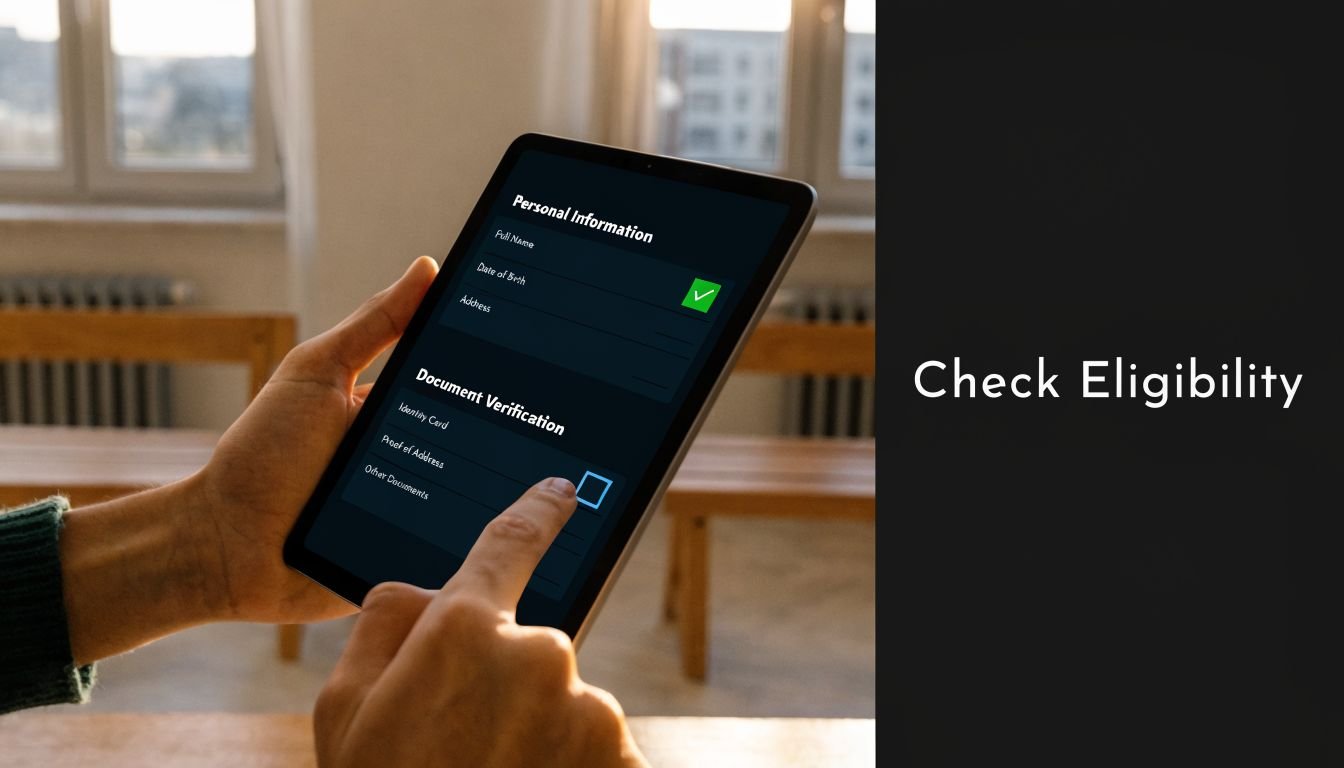
Before you fill out anything, confirm that the case is eligible for an online surety bond. Many families lose time at this point. They assume any bond can be paid remotely, only to find out later that the court required a different bond type.
Know the bond type first
In Colorado, a licensed agency can handle surety bonds electronically, but it cannot post cash-only bonds. That distinction is the first thing to verify. Many generic guides skip this state-specific detail, even though it changes everything about how fast you can act.
A Colorado-focused explanation from Mr. Nice Guy Bail Bonds on online bail notes that a licensed agency can process surety bonds online with a standard 15% premium, or 10% for bonds over $5,000 with an approved cosigner, but cannot post cash-only bonds. The same source says nearly 70% of U.S. counties still lack direct online bail payment portals, which is why the licensed-agent route is often the main remote option.
If you need a plain-English explanation of the difference, this overview of what a surety bail bond is helps clarify what an agent can and cannot do.
What to ask when you call
When you speak with an agent or the jail, ask these questions first:
- What kind of bond was set: Ask whether it’s a surety bond, cash bond, or cash-only bond.
- Which facility is holding the defendant: Colorado release procedures vary by jail.
- Has the bond amount already been entered: Sometimes families hear an amount secondhand before the booking system fully updates.
- Are there restrictions that block remote processing: Holds and special conditions can affect timing.
If the bond is cash-only, stop expecting an online surety process to solve it. You need to know that upfront, not after completing paperwork.
Colorado coverage matters
One advantage of working with a statewide agency is that the location of the jail doesn’t force you into an in-person trip. That’s especially helpful if the arrest happened outside your home county or if the cosigner is out of state.
For families dealing with an arrest in Golden or the surrounding area, the Jefferson County bail bond service page is a useful local reference point. It helps narrow down the county-specific context quickly.
The key trade-off is simple. Online surety is fast when the bond type fits. It’s a dead end when the case is cash-only. Confirm that first.
Gathering the Information Needed for a Fast Release
Once you know the case can move through a surety bond, the next priority is information quality. This is the part people underestimate. The online process feels simple, so they assume rough details are enough. They aren’t.
According to Bail 2 GO’s guide to paying bail online, 20-30% of bail bond applications are delayed because detainee or cosigner details are incomplete or inaccurate. The same source says errors can cause up to 25% of initial submissions to be rejected. That’s why the fastest callers are usually the prepared ones, not the panicked ones.
The details that matter most
Have the defendant’s legal identity ready, not a nickname or partial name. If you’re unsure about spelling, ask the jail or search the arrest record before submitting anything.
If you need help locating the person first, this tool for how to find someone arrested can save a lot of guesswork before you start the bond paperwork.
Here’s the cleanest way to organize what you need.
| Information Category | Required Details |
|---|---|
| Information Checklist for Online Bail Application | Defendant’s full legal name, date of birth, booking number if available, current facility location, charges if known |
| Cosigner details | Full name, phone number, address, email, government-issued ID, employment or income information if requested |
| Payment readiness | Card details for approved payment, billing information that matches the card, ability to receive email or text links |
| Supporting information | Collateral details if requested, relationship to the defendant, any court or jail paperwork already provided |
Why small mistakes cause big delays
A wrong birth date can cause a mismatch. An old jail location can send the bond to the wrong facility. A billing address that doesn’t match the card can hold up payment approval.
Those sound like small administrative issues, but in practice they create back-and-forth. And back-and-forth is what keeps people sitting in custody longer than necessary.
- Use the booking number if you have it: It reduces confusion when multiple people have similar names.
- Confirm the current jail, not the arrest location: Arresting agency and holding facility are not always the same.
- Check the cosigner email carefully: That’s where the application, contract, and confirmation usually go.
- Keep ID nearby before the call starts: Don’t wait until the link arrives to start looking for it.
For south metro cases, the Centennial bail bond location page is also useful if the arrest or release process touches Arapahoe-area facilities.
What works best in real situations
The smoothest online bail applications usually come from one person taking charge. One family member gathers the details, speaks with the agent, checks the forms, and handles the signing. When five relatives are texting different names, dates, and bond amounts into a group chat, mistakes multiply fast.
Get one person to act as the point of contact. That alone can cut down confusion more than any app or portal can.
Navigating the Secure Online Application and Payment Steps
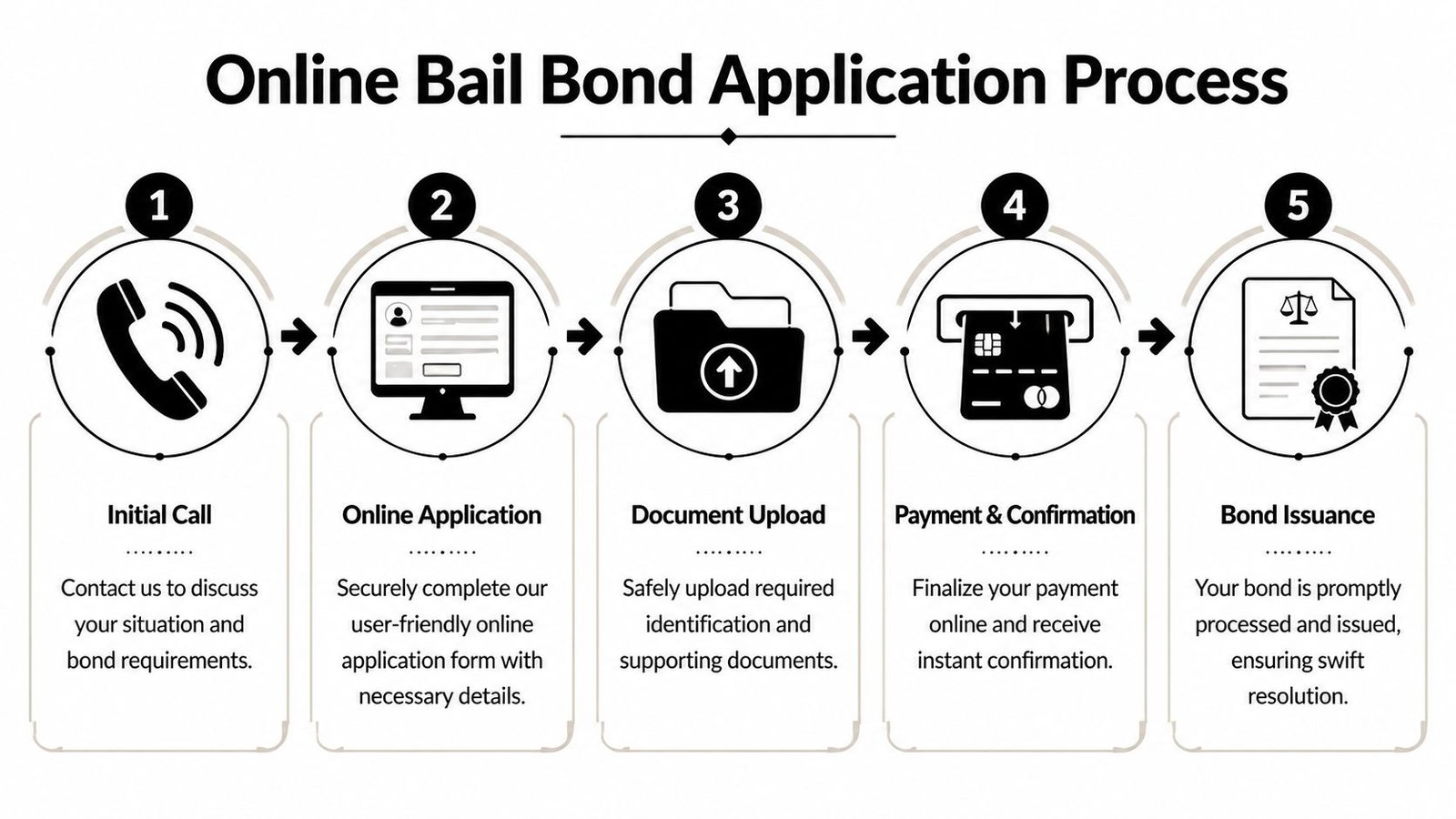
Once the details are verified, the online part moves in a straightforward sequence. Families often expect it to feel technical or confusing. In practice, it’s more like completing a secure service agreement and payment from your phone or laptop.
The first call sets the pace
The call matters because it determines whether you receive the right link, the right contract, and the right payment instructions. If you’re speaking with the agent, say clearly that you need to pay bail bond online for a Colorado case and have the defendant’s core details ready.
This is also when you should ask practical questions, not just the price. Ask whether the bond is already active in the system, what the cosigner will need to sign, and whether anything about the case could slow posting.
The secure link and application
After eligibility is confirmed, you’ll usually receive a secure application link by text or email. That’s where you enter the defendant’s details, your cosigner information, and any requested supporting information.
Take your time here. Fast doesn’t mean careless. Most delays happen because someone rushes through a field that looked minor but wasn’t.
A well-run portal should feel familiar. It usually works on a phone, tablet, or computer. You shouldn’t need special software, and you shouldn’t be faxing handwritten pages back and forth in most cases.
If you want a broader look at how secure document transmission compares across methods, SendItFax's fax security guide gives useful context for why encrypted digital workflows are replacing older document habits in time-sensitive situations.
Payment and e-signature
This is the part people are most nervous about. They want to know if the portal is secure, whether the payment will go through, and what the signature means.
According to NYC inmate information on online posting systems, modern online bail bond systems use PCI-compliant, encrypted gateways and have 92-95% transaction approval rates for verified data. The same source notes that e-signature tools can auto-generate the Power of Attorney used by the agent, and that API-based workflows can post bonds 30% faster than manual methods.
That tells you two important things. First, accuracy improves approval. Second, the digital paperwork is not just a convenience. It directly affects posting speed.
If you want a close look at the payment side, this page on how to pay a bail bondsman fills in the practical questions families usually ask right before submitting payment.
What happens behind the scenes
Once payment and signatures are complete, the work shifts to the agent and the jail. The agent prepares and files the bond paperwork, including the authority needed to post the surety bond. Then the detention facility processes the release on its own timeline.
Expectations are important in this process. Families often think the online payment itself releases the defendant. It doesn’t. Payment starts the posting process. The jail still has to accept the bond, complete internal release steps, and physically discharge the person.
A simple sequence looks like this:
- Verification completed
- Application submitted
- Payment approved
- Contract e-signed
- Bond posted with the facility
- Jail begins release processing
The best online systems reduce paperwork delays. They do not eliminate jail processing time.
After You Pay What to Expect Next
It's often assumed the hardest part ends when they hit submit. It doesn’t. The next phase is mostly waiting, and waiting is where anxiety spikes.

Payment confirmation is not the release itself
Once the premium is paid and the contract is signed, the agent moves to post the bond. That can happen quickly. Release from the jail can still take time because the facility has its own intake and discharge workload.
A lot of families make the same mistake here. They drive to the jail immediately and expect the defendant to walk out right away. Sometimes that happens. Often it doesn’t.
If you want a more detailed look at the timing side, this guide on how long bail takes to process helps set realistic expectations.
Practical expectations after posting
What usually helps most is knowing your role has changed. Once payment and posting are done, your job is no longer to “speed it up” by making repeated calls every few minutes. Your job is to stay reachable and ready.
Keep these points in mind:
- Watch for confirmation messages: Save receipts, emails, and signed documents.
- Keep your phone close: If the agent or jail needs a clarification, fast response helps.
- Tell the defendant’s ride to stay flexible: Exact pickup timing is rarely predictable.
- Don’t assume silence means a problem: Jails often process releases without frequent updates.
Insider advice: The fastest families after payment are usually the calmest ones. They stay available, keep documents handy, and avoid creating new confusion with duplicate calls.
After release, responsibility continues
The bond doesn’t end when the defendant walks out. The defendant must attend court, follow conditions, and stay in communication as required. The cosigner also needs to understand that the agreement remains active until the case is resolved or the bond is otherwise discharged.
If you need a physical office reference for Denver-area coordination, the Denver office map listing is a practical bookmark.
One more point that matters. If a payment fails, don’t keep retrying blindly. Card limits, fraud holds, or billing mismatches can trigger declines. Stop, verify the issue, and correct it before trying again.
Your Colorado Online Bail Bond Questions Answered
When families ask whether it’s better to pay bail bond online or handle everything in person, the honest answer is that online works best when the bond is eligible, the information is accurate, and the cosigner is ready to complete the documents quickly. It’s especially helpful when the person arranging release can’t physically get to a jail or office.
Security is a fair concern too. A source discussing online bail payment concerns at 3D Bail Bonds’ payment page says that online payment scams targeting bail seekers increased by 25% in the last year. That same source also notes that reputable agencies use verified portals and clear no-refund policies on the premium, and that failed transactions often happen because of card limits on large premiums. That’s why you should only use links sent directly by the licensed agency you’re working with, and you should read the payment terms before submitting anything.
Common questions families ask
Can I pay the full bail amount online myself?
Sometimes direct payment options exist, but not every Colorado facility handles direct online bail the same way. Many cases still move more cleanly through a surety bond when that option is available. The right first question is not “Can I pay online?” It’s “What kind of bond did the court set?”
Is the premium refundable?
The premium on a surety bond is generally non-refundable. That’s the fee for the service of posting the bond, not a deposit held for return at the end of the case.
What if the defendant misses court?
That becomes a serious problem. Missing court can trigger bond forfeiture issues and put pressure on both the defendant and the cosigner. This is why agents stress court compliance so strongly from the start.
What if my card gets declined?
This happens. It doesn’t always mean the portal is broken. Sometimes the bank blocks the charge, the billing address doesn’t match, or the amount hits a card limit. Stop and verify before trying again.
Is my information kept private?
Reputable agencies use secure portals and standard verification procedures. You should expect identity checks, electronic documents, and formal agreements. You should not expect a casual text asking you to send money without documentation.
Can an out-of-state family member cosign?
Yes, remote processing is one of the main reasons online surety bonds are so useful. The key is making sure the cosigner can provide accurate information, valid identification, and timely signatures.
What if I’m not sure where the defendant is being held?
Find the facility first, then start the bond process. That one detail affects every step after it.
For people coordinating from the south metro area, the Centennial office map listing is a practical reference to keep on hand.
The biggest takeaway is simple. A Colorado online bail bond process works best when you slow down just enough to avoid preventable mistakes. Fast action helps. Clean information helps more.
If you need help right now, Express Bail Bonds is available 24/7 to help families, friends, attorneys, and out-of-state cosigners handle Colorado surety bonds quickly and electronically. Call or text 720-984-2245 to get clear answers, confirm eligibility, and start the release process without wasting time.