

Navigating the Bail Process with Express Bail Bonds
By Mark Spensieri, Express Bail Bonds
Navigating the bail bond process can be daunting, especially during a stressful time for families and defendants. Understanding the ins and outs of this system is crucial for securing a speedy release from jail. In this article, we will break down the bail bond process into clear steps, explain different bail bond types, and highlight what one needs to consider when posting bail. This guide aims to shed light on the complexities involved, providing readers with the knowledge to make informed decisions. From understanding how bail works to the responsibilities of defendants, we’ll cover it all. We will also provide insights into the services offered by Express Bail Bonds to assist you effectively throughout this experience.
Step-by-Step Bail Bond Process
The bail bond process can be simplified into several key steps, each vital for ensuring a smooth and timely release from custody.
- Gather necessary information about the defendant: This includes their full legal name, date of birth, and details about the arrest.
- Choose a reputable bail bond company: It’s critical to select a company known for its reliability and professionalism, such as Express Bail Bonds.
- Understand the fees involved: Knowledge of the specific costs associated with securing bail is essential.
By following these steps, you can streamline the process and ensure that you are adequately prepared for each phase of getting a bail bond.
What Is a Bail Bond and What Are the Different Types?
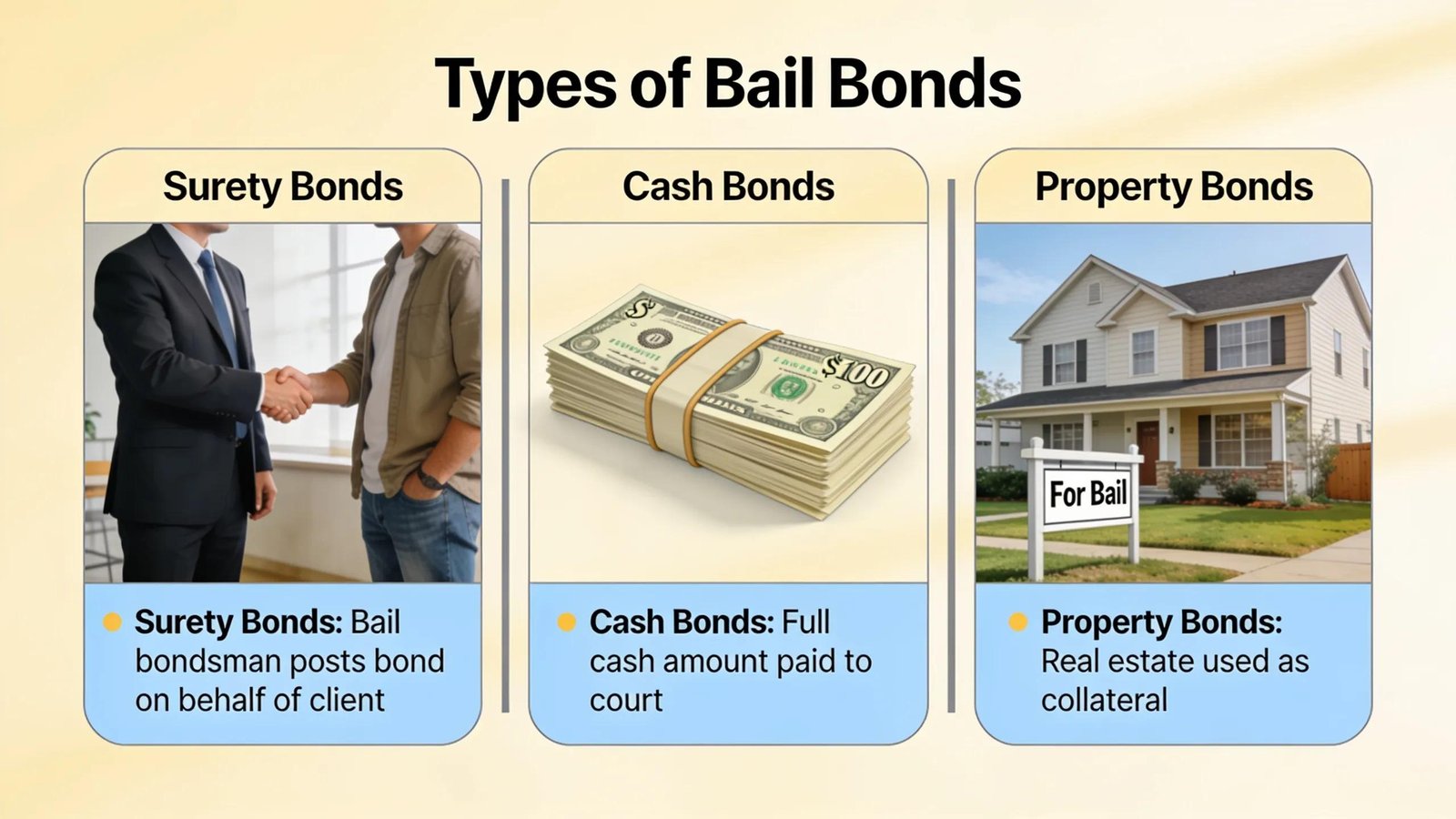
A bail bond is a contractual agreement where a monetary guarantee is made to the court to ensure that a defendant appears for their scheduled court dates. The bond provides a financial incentive for the defendant to comply with the judicial process. Various types of bail bonds include:
- Surety Bonds: This is the most common type of bail bond, involving a bail bondsman who guarantees the court that the defendant will appear.
- Cash Bonds: A cash bond requires the full bail amount to be paid upfront in cash to the court.
- Property Bonds: In this type, real estate is put up as collateral to secure the bail.
Each type of bail bond serves different situations and understanding these can help individuals make the best choice for their circumstances.
How Do Bail Bonds Work in the Judicial Bail Process?
Bail bonds operate within the judicial system to assist individuals in securing their release after arrest. The process begins when a defendant is arrested and brought to a booking facility. During this time, a bail amount is set by the court. A bail bondsman can then be contacted to facilitate the financial obligation. For a fee, typically around 10-15% of the total bail amount, the bail bondsman will post the bail on behalf of the defendant.
This agreement underscores the bondsman’s commitment to ensuring the defendant returns to court. If the defendant fails to appear, the bondsman may be responsible for paying the full bail amount to the court.
What Are the Common Types of Bail Bonds Available?
There are various categories of bail bonds that cater to different legal situations. Understanding these categories can greatly assist individuals when navigating their bail options.
- Surety Bonds: These are the most frequently utilized bail bonds and are arranged through a licensed bail bondsman who will charge a fee for their services.
- Cash Bonds: Require the full bail amount to be paid directly to the court in cash, often used when a lower bail amount is set.
- Property Bonds: This type requires the defendant to offer real estate as collateral to secure their release.
The selection of the appropriate bail bond type is critical in ensuring a quick release while maintaining financial stability.
What Are the Steps to Post Bail Through Express Bail Bonds?
Working with a professional service like Express Bail Bonds simplifies the bail process significantly. The steps to post bail through them include:
- Contact Express Bail Bonds immediately: Reach out to discuss your situation and upfront costs.
- Prepare necessary documentation: Have all relevant information ready to facilitate the bail posting swiftly.
- Understanding eligibility criteria: Assess whether the defendant qualifies for bail and the different options available.
Express Bail Bonds is committed to providing support at each of these stages, ensuring that clients have the resources they need for efficient bail posting.
How Much Does a Bail Bond Cost and What Are the Payment Options?
The cost of a bail bond varies based on several factors including the total bail amount set by the court. Typically, bail bond fees range between 10-15% of the bail amount. Payment options frequently available include:
- Cash payments: This includes checks and cash.
- Credit or debit cards: Many bail bond companies accept major credit cards for the convenience of clients.
- Payment plans: For those who may struggle to pay the total fee upfront, many companies offer flexible payment plans.
Understanding these payment options helps individuals make informed financial decisions during a stressful time.
What Are the Typical Bail Bond Fees and Collateral Requirements?
When securing a bail bond, it’s essential to be aware of possible fees and collateral requirements. Bail bond fees typically range from 10% to 15% of the bail amount but can vary based on the bail company and local regulations. Collateral may be necessary in certain situations, particularly if the bail amount is significantly high or if the defendant has a history of failing to appear in court.
Individuals should discuss these aspects upfront to avoid any surprises during the bail process.
Which Payment Methods Does Express Bail Bonds Accept?
Express Bail Bonds ensures that the bail bond process is as streamlined as possible by offering a variety of payment methods, including:
- Credit card payments: Most major credit cards are accepted, providing convenience for clients.
- Payment plans: Flexible plans can be arranged for those who may not have the full amount available immediately.
- Electronic transfers: Options for wire transfers may also be available.
Offering diverse payment methods enhances accessibility and eases the financial burden during a challenging time.
What Happens After Bail Is Posted? Understanding Defendant Release and Legal Obligations

Once bail has been posted, the next phase involves the defendant’s release from jail. This process can vary based on the court and location but generally follows these steps:
- Verification of Payments: The court verifies that payment has been received and processed.
- Release paperwork: Documentation is prepared for the defendant’s release.
- Legal obligations: The defendant must understand their responsibilities post-release, which includes appearing at all required court dates.
Understanding these steps ensures defendants and their families are prepared for the post-bail process.
How Long Does It Take to Get Released After Posting Bail?
The time required for release after posting bail can differ, but typically it can range from 30 minutes to several hours. This variability depends on several factors, including:
- The time of day the bail is posted (i.e., some facilities may take longer during busy hours).
- The efficiency of processing at the jail.
- Any additional administrative tasks that may need to be completed.
Having realistic expectations about release times can minimize stress for defendants and their families waiting for their loved ones.
What Are the Defendant’s Responsibilities During the Bail Period?
Once released on bail, the defendant carries specific responsibilities to ensure compliance with the legal system. These include:
- Attendance at all court dates: Failing to appear can lead to serious legal repercussions, including the forfeiture of bail.
- Communication with the bail bondsman: Regular check-ins may be required to ensure that the defendant complies with the terms of release.
- Adherence to any specific conditions set by the court: This could involve restrictions on travel or contact with certain individuals.
Acknowledging and fulfilling these responsibilities is essential for avoiding complications and maintaining rapport with the court.
How to Navigate Common Questions and Challenges in the Bail Bond Process
The bail bond process can raise numerous questions and challenges. Here are some common concerns:
- What to do if you cannot afford bail?: Explore options such as seeking a bail hearing for reduced bail or contacting bail bond services for assistance.
- Understanding bail conditions: Clarification of any conditions set during the bail process is crucial; reaching out to legal counsel can provide necessary insights.
- What happens if a defendant fails to appear in court?: This can result in additional consequences, including obtaining a warrant for arrest and loss of the bail amount.
Addressing these common questions can demystify the bail bond process and prepare individuals for potential challenges.
How Does Express Bail Bonds Provide Reliable and Professional Bail Services?
Express Bail Bonds excels in delivering reliable and professional bail services, focusing on client needs during difficult times. The company offers:
- 24/7 availability: Immediate assistance when needed most.
- Expert guidance throughout the process: Staff are trained to help clients navigate each step.
- Transparent pricing and services: Clear communication about costs and services provided, minimizing surprises.
These attributes make Express Bail Bonds a trusted choice for individuals in need of bail solutions.
What Makes Express Bail Bonds a Trusted Bail Bond Agent?
Trust is paramount in the bail bond industry, and Express Bail Bonds has built a strong reputation over the years due to several key factors:
- Licensed professionals are available: The staff is trained and certified, ensuring compliance with legal standards.
- Focused customer support: The company places an emphasis on meeting client needs and providing assistance.
- Positive feedback and reputation: Many past clients have shared success stories, reinforcing trust and reliability.
These qualities illustrate why clients can feel secure in choosing Express Bail Bonds for their bail needs.
How to Reach Express Bail Bonds for Immediate Bail Assistance?
Securing immediate bail assistance is straightforward with Express Bail Bonds. Individuals can reach out through various methods:
- Phone: Contact Express Bail Bonds at 720-984-2245 for immediate support.
- Online Inquiry: Potential clients can fill out inquiry forms to start the process of obtaining bail.
- In-person Visit: For those preferring face-to-face consultation, visiting the office can provide direct assistance.
Using these avenues ensures that individuals receive timely help when they need it most.