
The standard premium in Colorado is 15% of the bond amount, and it's non-refundable. For a bond over $5,000, the natural next question is whether an approved cosigner can qualify the family for the 10% tier.
That question usually arrives during a stressful call, often before anyone has had time to understand what the bond amount means. A premium isn't the full bail amount, a refundable deposit, or money paid to the jail. It's the charge for a licensed surety agent to post the bond and accept the financial risk tied to the defendant's release.
A Late-Night Call and the Question Everyone Asks First
At 3 a.m., a spouse gets a call from a holding facility. A loved one has been arrested, the family is searching for a bondsman, and within the first minute someone asks for the bond amount. The answer might be $10,000, $20,000, or more, but that number isn't automatically what the family must pay.
The agent's premium is calculated from the bond amount. A surety bond allows the agent to promise the court that the bond will be covered if the defendant fails to appear. The family usually pays the premium so the agent can provide that promise and handle the release process.
The first distinction to remember: the bond amount secures the court's requirement, while the premium pays the licensed agent for writing the surety bond.
That premium isn't the same as the full bond. It also isn't collateral, which may be required separately and may be returned under the terms of the agreement. And it isn't a jail fee. The jail handles custody and release procedures, while the bonding company handles the surety contract and payment arrangement.
For a plain-language breakdown of the numbers, families can review this guide to how much a bail bond costs. The goal is to identify the actual amount due before signing anything, rather than guessing from the bond amount alone.
Colorado's standard premium is 15% of the bond amount, and it's non-refundable once the bond is posted. That remains true even if the defendant attends every hearing and the case eventually ends without a conviction.
The next question is whether the family qualifies for a lower rate. For bonds over $5,000, a licensed cosigner who indemnifies the bond may allow the premium to move to 10%, but that isn't an automatic discount. The cosigner must meet the agent's approval requirements and accept legal responsibility under the agreement.
What the Premium Processing Fee Actually Is in Colorado
In Colorado bail work, the premium is the price of a surety bond service. A licensed agent reviews the defendant's situation, evaluates the indemnitor and cosigner, prepares the contract, posts the bond, and remains responsible for the obligation created by that bond.
The standard benchmark is 15% of the bond amount. A qualifying cosigner can sometimes support the 10% tier for a bond over $5,000, because the cosigner provides additional indemnification and gives the agent another financially responsible party to rely on.
A straightforward calculation
Suppose the court sets a $20,000 bond. At the standard rate, the calculation is:
- 15% standard premium: $20,000 × 15% = $3,000
- 10% premium with a qualifying cosigner: $20,000 × 10% = $2,000
- Difference: $1,000
The lower figure isn't created by negotiating a random discount. It depends on the bond amount, the cosigner's qualifications, and the bonding company's underwriting decision. A family should ask what documents are required before assuming the lower tier applies.
| Bond Amount | 15% Standard Premium | 10% Premium with Cosigner | Savings |
|---|---|---|---|
| $20,000 | $3,000 | $2,000 | $1,000 |
The premium compensates the agent for more than filling out paperwork. The agent may be available around the clock, coordinate with the detention facility, assess the risk of nonappearance, and accept responsibility for the full bond if the defendant doesn't follow release conditions.
Families sometimes search for unusually low advertised rates and assume every offer is equivalent. The 1 percent bail bond explanation can help clarify why advertised pricing may depend on conditions, collateral, eligibility, or a different type of arrangement.
A useful quote should identify the bond amount, the applicable premium tier, any collateral requirement, and any separate transaction or administrative charge. If those parts aren't clear, pause before sending money or signing an indemnity agreement.
Who Pays the Premium and How Colorado Caps It
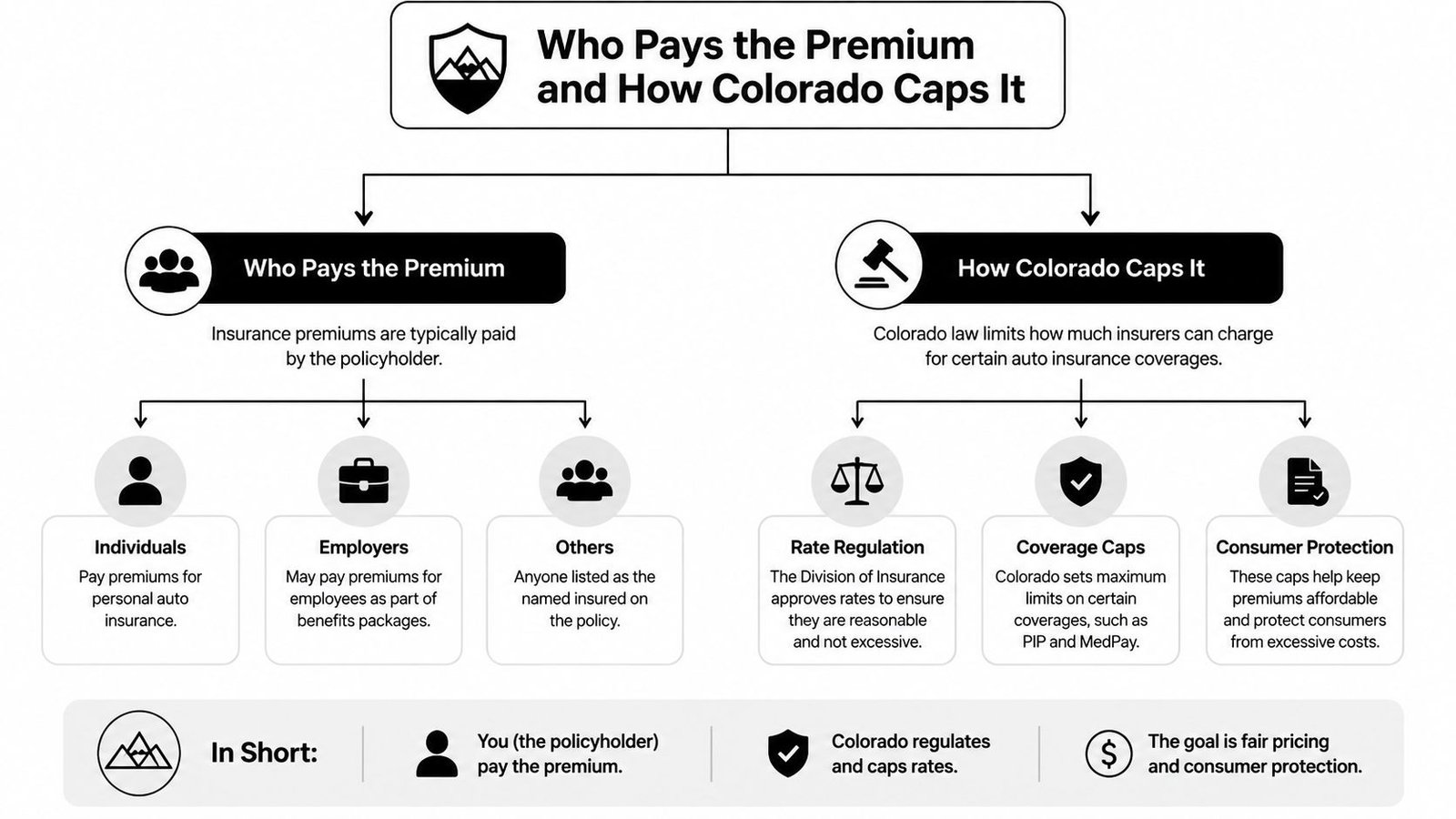
The defendant may pay the premium, but a family member, friend, employer, or other indemnitor often provides the money. The person who pays isn't necessarily the only person legally responsible. The indemnity agreement identifies who promises to protect the bonding company from losses connected to the bond.
Colorado's regulatory framework places bail bond activity under licensed insurance producers and permitted rates. The standard charge is 15%, while a 10% rate may be authorized when a licensed cosigner indemnifies a bond over $5,000. Families should ask the agent to explain which rate applies before the agreement is completed.
What a clear quote should show
A transparent quote should separate the premium from other obligations. Collateral, payment processing, and document-related charges shouldn't be blended into one unexplained number.
Watch for warning signs such as:
- Hidden charges: Ask what every line item covers and whether it's refundable.
- Inflated premiums: A quote above the permitted ceiling deserves verification before signing.
- Disguised interest: Payment-plan costs shouldn't be presented as though they're part of the statutory premium.
- Unlicensed activity: A notary or informal “bail consultant” can't replace a licensed surety agent.
The practical question is simple: who is accepting the risk, who is signing the contract, and what amount is being charged for that service? A family member who pays may still need to sign as an indemnitor or cosigner.
Cosigners should also understand their duties before agreeing. The guide to cosigner responsibilities explains why signing isn't merely helping with a payment. It can create obligations if the defendant misses court, violates the agreement, or requires additional recovery efforts.
If an agent quotes more than the applicable Colorado ceiling, request a written explanation and verify the agent's license before proceeding.
How to Pay and What to Bring to the Application
Once the rate is established, the next challenge is getting the application completed and the funds cleared. Colorado families may use major credit or debit cards, ACH or wire transfers, cashier's checks, money orders, and, at some offices, cash. Each office sets its accepted payment methods, so ask before driving to a detention facility.
A card transaction may carry a small, nonrefundable processing percentage in addition to the premium. That charge is different from the premium itself. Ask whether the payment processor adds it, whether it applies to the whole transaction, and whether another payment method avoids it.
Documents that prevent delays
The indemnitor and any cosigner should generally have the following available:
- Government photo identification: A driver's license or other accepted ID helps confirm identity.
- Address or income documentation: Proof of a Colorado address or recent pay stubs may help establish financial responsibility.
- Application information: The agent may request Social Security numbers as part of the application and underwriting process.
- Working email address: Electronic indemnity agreements can't be completed if the signer can't receive or open the documents.
A remote cosigner doesn't always need to travel to the jail. Many offices can send an electronic agreement through a DocuSign-style process, allowing the person to review and sign from another city. The agent may still need identity verification or additional documentation before accepting the cosigner.
Higher bond amounts can lead to more underwriting questions. Fingerprinting or a background check may be requested, depending on the agent's review and the circumstances of the bond. That doesn't change the premium calculation by itself, but it can affect how quickly the application is approved.
Before anyone promises a release time, confirm that the funds have cleared and the documents are complete. The jail can't release a defendant based on an unsigned agreement or an unverified payment.
Families can review practical payment options in this guide to how to pay a bail bondsman. Keep the defendant's booking information nearby, because the agent will need accurate details to match the bond and release paperwork.
Refundability and Other Common Misconceptions
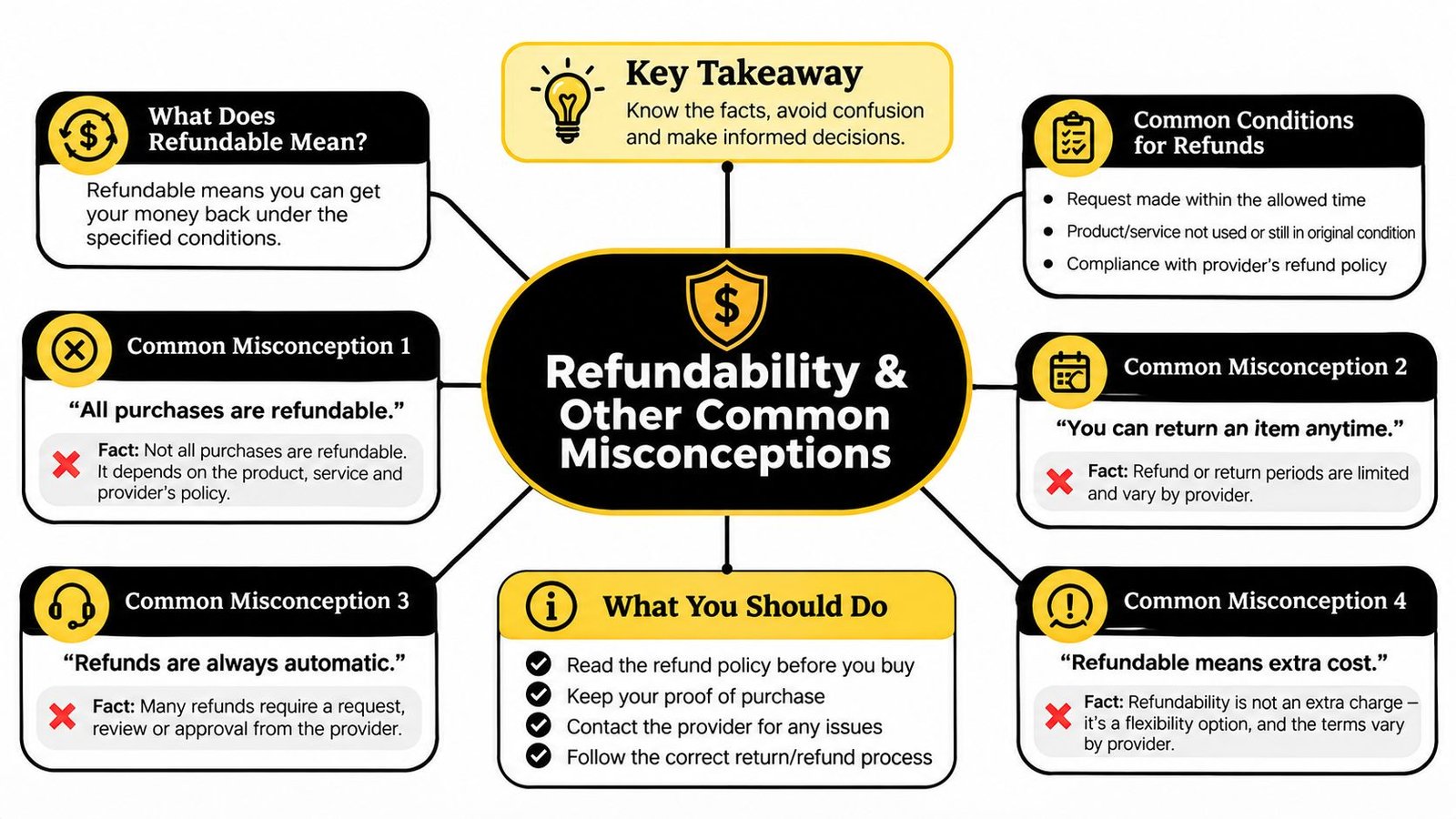
A family may hear “refund” and assume the premium works like money held by the court. In Colorado, the premium is earned when the bond is posted and isn't refundable, even when the defendant attends every hearing, the case is dismissed, or the court closes the matter.
The premium pays for the surety's acceptance of the bond obligation. It is not a deposit waiting for the case to end. Once the agent posts the bond, the surety has provided financial backing and carried the risk tied to the defendant's release.
The assumptions that cause trouble
- “The premium is collateral.” It is not. Collateral is a separate security arrangement, with its own conditions for return.
- “The defendant can pay later from jail.” The jail generally needs completed paperwork and cleared funds before processing the bond.
- “Any agent can charge less.” A low quote may depend on eligibility rules or leave out additional charges. Ask for the full amount and conditions in writing.
- “A notary can post the bond.” A surety bond must be posted through the properly licensed agent or producer. Notarizing documents does not grant that authority.
- “A dismissal creates a refund.” The court's outcome does not reverse the agent's work or the surety's exposure after the bond has been posted. A separate payment error or written contract provision would need to be reviewed on its own terms.
An attorney can explain the criminal case, and jail staff can explain release procedures. Neither controls the bonding company's premium or decides whether collateral is returned. The court and the bonding company handle money under different rules and agreements.
Families comparing whether bail is refundable can review the distinction between premiums, collateral, and court-held funds. Before signing, ask the licensed cosigner to identify the exact amount paid as premium, any collateral listed separately, and the written condition for returning that collateral.
How the Premium Compares to Other Bond Options
A surety premium is only one way to meet a court's release requirement. The alternatives can look cheaper on paper, but each shifts the burden in a different direction.
With a $10,000 cash bond, the family must provide the full amount directly to the court. That can tie up substantial funds until the case concludes, although the court may return the money at the end, minus fines or restitution. The court, not a bonding company, controls the refund process.
A property bond uses real estate as security. A recorded deed is pledged, and a 10% equity cushion is typical. That arrangement can take longer because the property, ownership, equity, and recording documents must be reviewed. The family also exposes its home or other property to the consequences of forfeiture.
A personal recognizance bond, often called a PR bond, may require no premium because the defendant is released based on a promise to appear. Eligibility is limited, and the decision can depend on the seriousness of the charge, criminal history, community ties, and the court's assessment of release conditions.
| Bond Type | Upfront Cost | Refundable? | Typical Speed | Main Risk |
|---|---|---|---|---|
| Surety bond | Percentage premium, plus any approved requirements | Premium is nonrefundable | Often faster than property review | Defendant's nonappearance can create forfeiture obligations |
| Cash bond | Full bond amount | Court-controlled, subject to deductions | Depends on court procedures | Large amount of money remains tied up |
| Property bond | Property equity and documentation | Not a premium refund issue | Slower document and title review | Property may be exposed if the bond is forfeited |
| PR bond | Usually no premium | No premium to refund | Depends on eligibility and court approval | Defendant remains responsible for appearance and conditions |
The surety route is common because it balances access and speed against an upfront premium. The family doesn't provide the entire bond amount, but it does accept a nonrefundable cost and may take on indemnity or collateral obligations.
The right option depends on the court's order, available funds, property ownership, and the defendant's eligibility. A family should compare total exposure, not just the amount due that night.
Next Steps When You Need a Bond Right Now
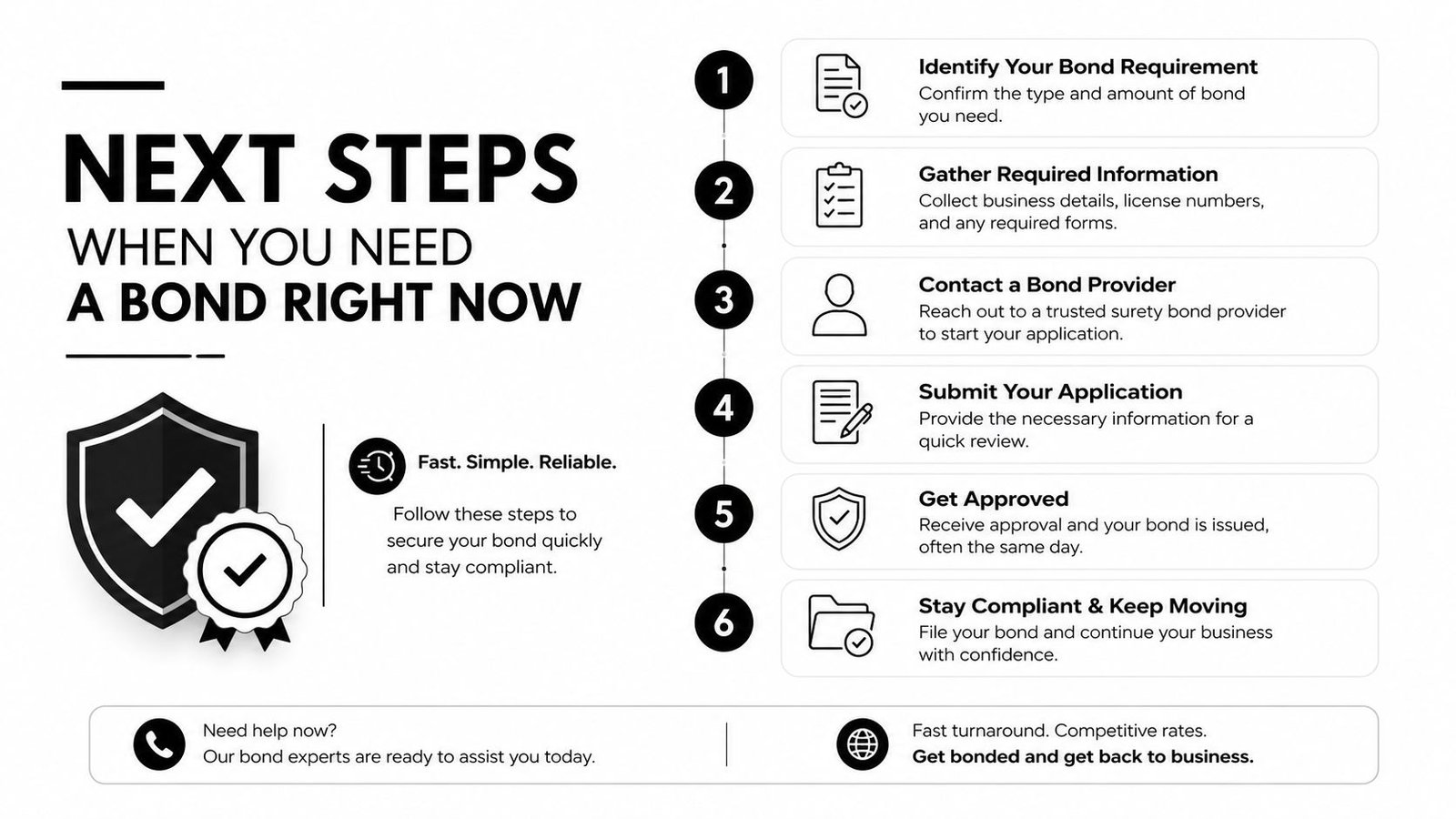
A clear checklist can keep a frightened family from losing time or signing an agreement they don't understand. Start with the defendant's full legal name, date of birth, and booking location. Names that are incomplete or misspelled can slow the agent's ability to locate the correct record.
Gather the details before calling
Confirm the bond amount and case number with the holding facility if that information is available. Then contact a licensed Colorado surety agent and ask for a written quote showing the premium tier, payment method, collateral requirement, and any separate processing charge.
If the family is pursuing the 10% tier, identify the proposed cosigner early. That person may need proof of address, pay information, identification, and an electronic signature. A cosigner who lives outside the immediate area may be able to complete documents remotely, but the agent still has to approve the application.
Prepare payment through an accepted method such as a card, ACH, wire transfer, cashier's check, money order, or cash where available. Don't assume a payment is complete until the agent confirms that funds have cleared and the indemnity agreement has been signed.
Keep the bond active by following through
Release is only the beginning. The defendant must attend every required court appearance, follow release conditions, and keep contact information current. A missed appearance can put the bond at risk and create serious financial consequences for the indemnitor and cosigner.
Write down the court date before the defendant leaves custody. A phone reminder, calendar entry, and transportation plan can prevent a preventable failure to appear.
For help with a bond in Denver, Jefferson County, Golden, Centennial, or another Colorado jurisdiction, a family can request an exact quote and discuss cosigner qualifications with a licensed local agent. Express Bail Bonds offers statewide surety bond assistance, electronic applications and contracts, and 24/7 call or text support for families arranging release.
Express Bail Bonds helps Colorado families understand the premium, payment choices, cosigner requirements, and release paperwork before a surety bond is posted. Visit Express Bail Bonds to request an exact quote and start the application from wherever you are.